


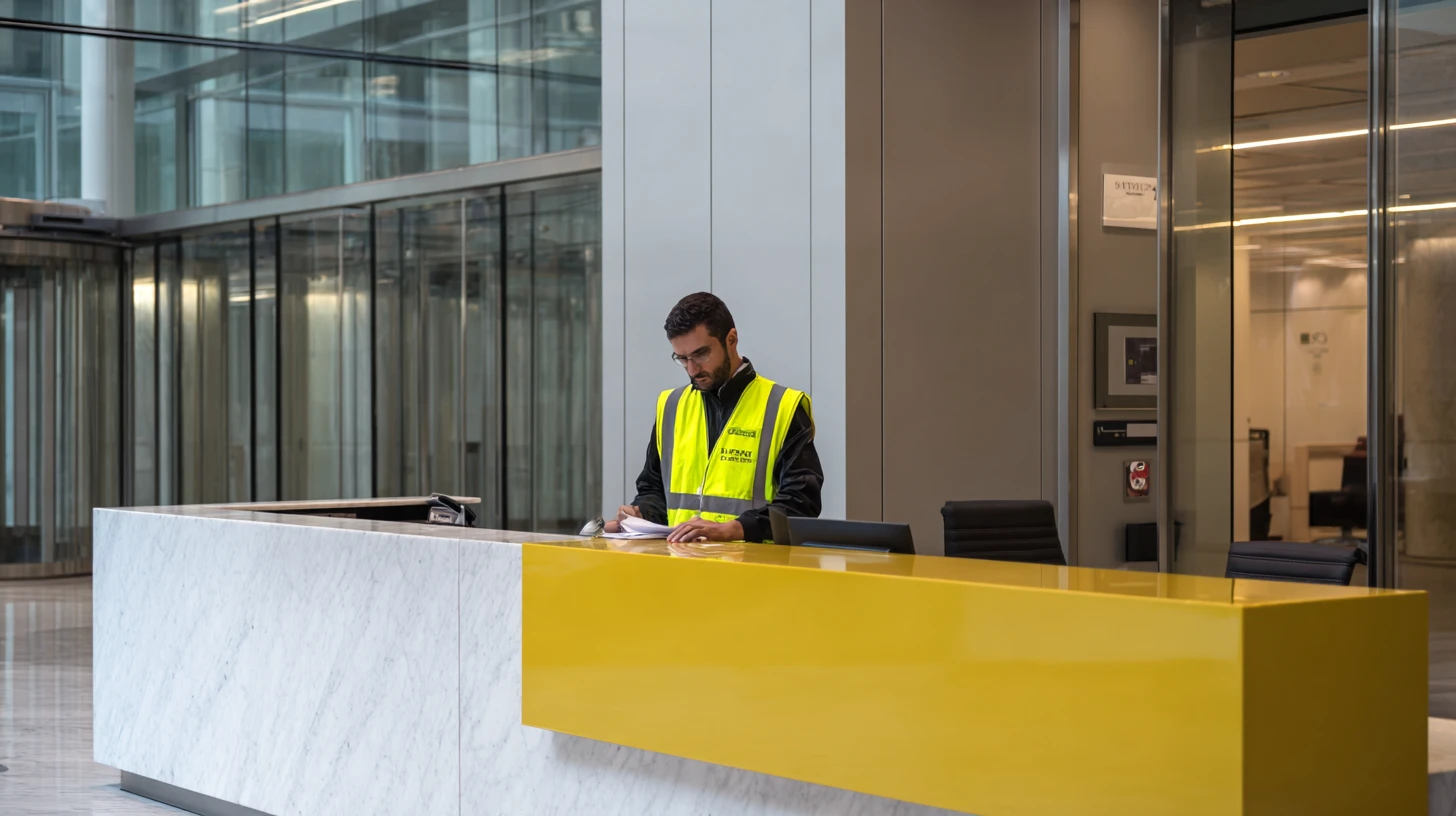

Whether you are planning a large outdoor music festival, a corporate event, a private celebration, or a high-profile product launch, one responsibility sits above all others: the safety of everyone who attends. Choosing the right event security company is not a box-ticking exercise it is one of the most consequential decisions you will make in the entire planning process. Get it right and your guests will remember your event for all the best reasons. Get it wrong and the consequences can be severe, both legally and reputationally.
This guide walks you through everything you need to know when selecting an event security firm in the UK, from understanding the regulatory landscape to asking the right questions before you sign a contract.
Understand Why Event Security Matters
Before exploring how to choose a provider, it is worth understanding why professional security is so critical for events of all shapes and sizes. Large gatherings can attract a wide range of potential security threats: crowd-related incidents, criminal activity, medical emergencies, and, increasingly, the threat of terrorism. A well-trained and properly structured event security team does not simply stand at a door they prevent problems before they escalate, manage crowd flow, protect valuable assets, and provide a rapid response when the unexpected happens.
The Legal Landscape Is Changing
The Terrorism (Protection of Premises) Act 2025, also known as Martyn's Law, received Royal Assent on 3 April 2025, delivering the government's commitment to strengthen the security of public events and venues. The Act introduces requirements on those responsible for certain publicly accessible premises and events to implement security measures to protect against terrorist attacks, with a tiered approach based on a capacity standard duty for venues expecting 200 to 799 people, and an enhanced duty for those expecting 800 or more.
This legislation is a clear signal that the regulatory bar for event security in the UK is rising. Any provider you choose should already be operating well ahead of these minimum requirements, with robust emergency protocols and a comprehensive security plan already embedded in how they work.
The SIA Licence: Your Non-Negotiable Starting Point

The single most important requirement when vetting any UK event security company is ensuring that every operative they deploy holds a valid licence issued by the Security Industry Authority (SIA). Any security operative employed to work in the UK must obtain a Security Industry Authority licence. The SIA was created following the Private Security Industry Act 2001 and is an independent body that reports to the Home Secretary, with a remit covering the entire United Kingdom.
Why Unlicensed Operatives Put You at Risk
Employing unlicensed persons in a licensable role, upon summary conviction, may result in a maximum penalty of six months imprisonment and an unlimited fine not to mention the reputational damage to both the event organiser and the venue. That risk falls on you as the organiser if you fail to verify credentials before the event takes place.
Frontline Security Industry Authority SIA licences are required for specific roles including security guarding, door supervisors, close protection, public space surveillance via CCTV, and cash and valuables in transit. Ask any prospective provider for the SIA licence numbers of all security personnel they plan to deploy and verify them directly through the SIA's publicly available online register. A reputable event security firm will not hesitate to share this information.

The SIA Approved Contractor Scheme
Beyond individual licences, some companies also hold SIA Approved Contractor Scheme accreditation. The register of approved contractors lists organisations that have met the requirements for the scheme, distinguishing themselves as among the best providers of private security services in the UK.
However, it is worth noting that the scheme is voluntary, and approved contractor status should complement your due diligence rather than replace it entirely. Always conduct your own thorough assessment regardless of whether a company holds this accreditation.
A Checklist Before You Commit
Before signing any contract with an event security firm, work through the following key factors to ensure you are making a fully informed choice.

Licensing and Accreditation
All deployed security personnel hold valid, verified SIA licences appropriate to their specific roles, and the company can evidence this in writing.

Insurance and Compliance
The company and its subcontractors hold appropriate public liability and employer's liability insurance. The contract contains clauses covering subcontracting, PAYE and VAT compliance, and authorisation requirements for any further delegation of work.

Screening and Training
Security staff are screened to BS 7858 and hold current DBS checks. All relevant personnel have received specialist training in First Aid, crowd control, and counter-terrorism awareness. Proper training is non-negotiable in protecting attendees and ensuring your event runs smoothly.

Experience and References
The company has a proven track record with events comparable to yours. You have verified references from previous clients and checked online reviews to gain valuable insights into their reliability and professionalism.

Planning and Risk Assessment
The company has conducted a thorough risk assessment and visited or assessed the venue. A detailed, itemised comprehensive security plan has been provided in writing, along with clear emergency response planning and contingency procedures.
Look Beyond the Licence: Vetting and Training Standards
A licence confirms that someone has passed the minimum legal threshold. It does not tell you the full story. The best UK event security providers go considerably further than the legal baseline when it comes to ongoing training and staff development.
What Good Training Looks Like
It is important that the company you choose prioritises the professional development of their security team, ensuring you are hiring security guards who have specialist training and 20ain an SIA licence. Do they hold First Aid qualifications? Have they received counter-terrorism awareness training?
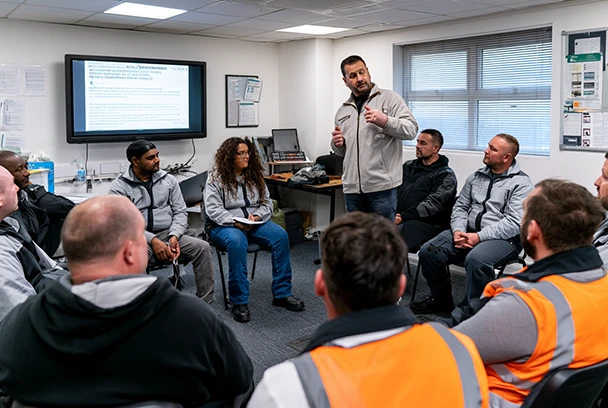
The Action Counters Terrorism (ACT) Awareness programme is a nationally recognised course designed to help trained personnel identify and respond to terrorist threats. You should specifically ask what counter-terrorism awareness training the security staff being deployed to your event have received.
BS 7858 Screening Standards
Staff screening standards matter too. Leading UK providers vet their employees to British Standard BS 7858, the UK code of practice for pre-employment screening of individuals working in a secure environment. This standard requires in-depth background checks, going beyond the standard Disclosure and Barring Service check to include financial checks, employment history verification, and character references. If an event security firm cannot demonstrate that their staff are screened to BS 7858, treat this as a serious red flag and consider alternative providers.
Carry Out Thorough Due Diligence
Choosing a security provider is a significant commercial decision, and you should treat it with the same rigour you would apply to any major supplier relationship. The SIA itself recommends a structured due diligence process before appointing any security contractor.
Experience and Proven Track Record
Does the company have a proven track record of providing security services for events similar to yours in scale, type, and venue? A company with genuine experience will be able to point to relevant case studies and offer references from previous clients. Ask for those references and follow them up. Check online reviews and seek recommendations from trusted colleagues and others in your network word of mouth remains one of the most reliable indicators of a security firm's positive reputation.
Insurance and Financial Standing
Does the company hold public liability insurance and employer's liability insurance? Always ask for documentary evidence rather than accepting verbal assurances. Check that the level of cover is appropriate for your event's size and risk profile. A business credit check may also be appropriate to mitigate commercial risk. Consider whether potential suppliers have previously been associated with companies that went into administration, and how their payment record compares to the industry average.
Subcontracting and Compliance
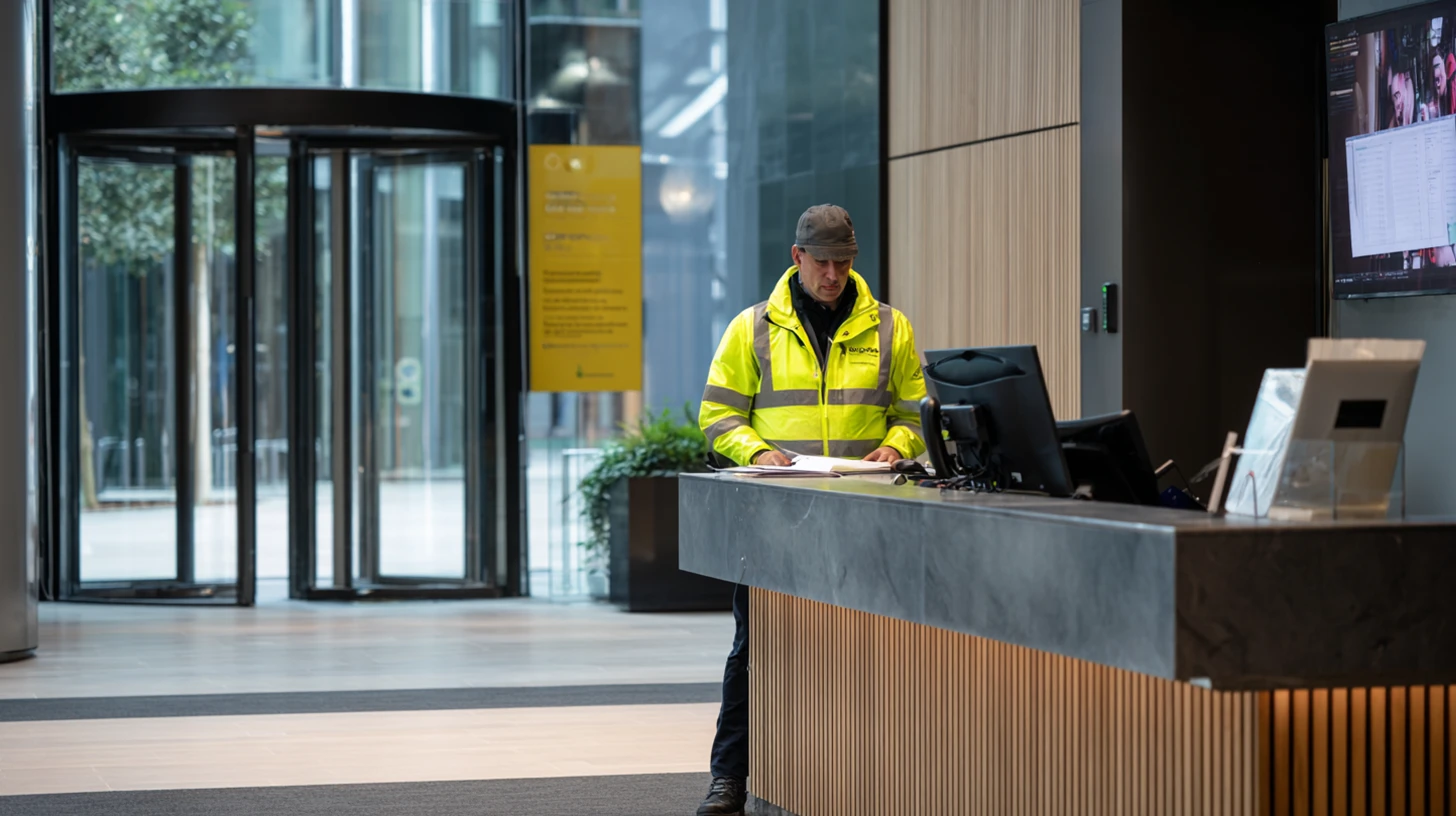
Will the company use subcontractors or labour providers to fulfil your contract? If so, add a clause in the contract requiring labour suppliers to show evidence of their VAT and PAYE returns, as well as their screening and vetting checks on the staff they are supplying to your event. You should also clarify who is ultimately responsible for ensuring every person on site holds the correct SIA licence for their specific role.
Be wary of any quote that arrives without questions being asked first. A credible event security provider will need to understand the nature of your event, the venue, the expected attendance, and your specific security needs before they can price accurately. Vague pricing structures are often a reflection of vague operational procedures on the day.
Match the Security Solution to Your Event
There is no universal template for event security services. A corporate event at a London hotel demands an entirely different approach to a 10,000-capacity music festival in the north of England, and private parties bring different considerations entirely. A strong provider will understand this and tailor their security solutions accordingly.

Defining Your Security Requirements
Think carefully about the type and scale of security your event genuinely requires and the event security budget. Options range from static security guards and door supervisors to plainclothes personnel, close protection officers for VIPs, dog patrol units, drug detection teams, crowd management specialists, and car park attendants. Access control ensuring only those with valid tickets or credentials can enter through designated access points and exit points should be built into the plan from the outset, as should measures to prevent unauthorised access to restricted areas.
The ratio of security staff to attendees is a particularly important consideration. Too few and potential security risks may not be identified and resolved quickly enough. Too many and you risk creating an atmosphere that makes guests feel uncomfortable and unwelcome.
Venue Knowledge Is Everything
The event space itself plays a significant role in shaping the comprehensive security plan. Outdoor events have very different perimeter security challenges to an indoor exhibition space. A city-centre venue brings different considerations to a rural private estate, as do large-scale sporting events compared to intimate gatherings.
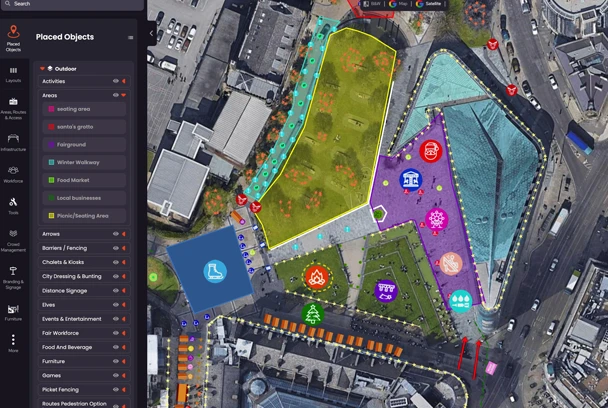
Venue-specific knowledge allows the security team to tailor their security operation to address the unique challenges of that particular space. A team familiar with the local area can better assess specific risks from the surrounding environment and maintain working relationships with local authorities and emergency services if necessary.
Any event security firm that offers a generic, off-the-shelf proposal without conducting a thorough risk assessment or visiting the venue beforehand should be viewed with real caution.
Clear Communication and Professionalism
How a security company conducts itself before the event begins will tell you a great deal about how they will perform on the day. Clear communication, prompt responses, and transparency about preparations are all signs of a security firm that takes its responsibilities seriously. If a company is slow to respond to your enquiries or is reluctant to be open about their service and rates, that is a company you do not want managing your event security team on the day.

Structure and Command
Ask each shortlisted provider to explain their command structure clearly. Who is the senior point of contact on the day? How are briefings and debriefings conducted? What is the emergency response planning protocol in the event of a major incident? A well-organised security operation will have clear answers to all of these questions and will provide written assignment instructions, health and safety policies, and contingency plans as standard documentation.
Professionalism and Presentation
Your event security team is visible to every guest at your event. They represent your brand whether you plan for that or not. Look for a provider whose security personnel are punctual, appropriately dressed, and professional in their demeanour approachable enough to welcome guests and handle access control smoothly, while authoritative enough to manage security challenges and deal with difficult situations calmly and effectively.
Active crowd management, in particular, requires security guards who can read a crowd and act decisively without escalating tension. The physical presence of a well-presented, professional security team also serves as a powerful deterrent in its own right.
Final Thoughts
Choosing the right UK event security provider takes time and careful thought, but that investment is absolutely worthwhile. The safety of your guests, the smooth running of your event, and your own legal obligations all depend on getting this decision right. With the increasing demands of UK legislation including Martyn's Law the stakes for event organisers have never been higher.
Look for a security firm that asks as many questions as you do, demonstrates a proven track record in providing security services for comparable events, operates with full transparency, and holds every relevant licence and accreditation. When you find that provider, your event whatever its size or nature will be in the safest possible hands.