


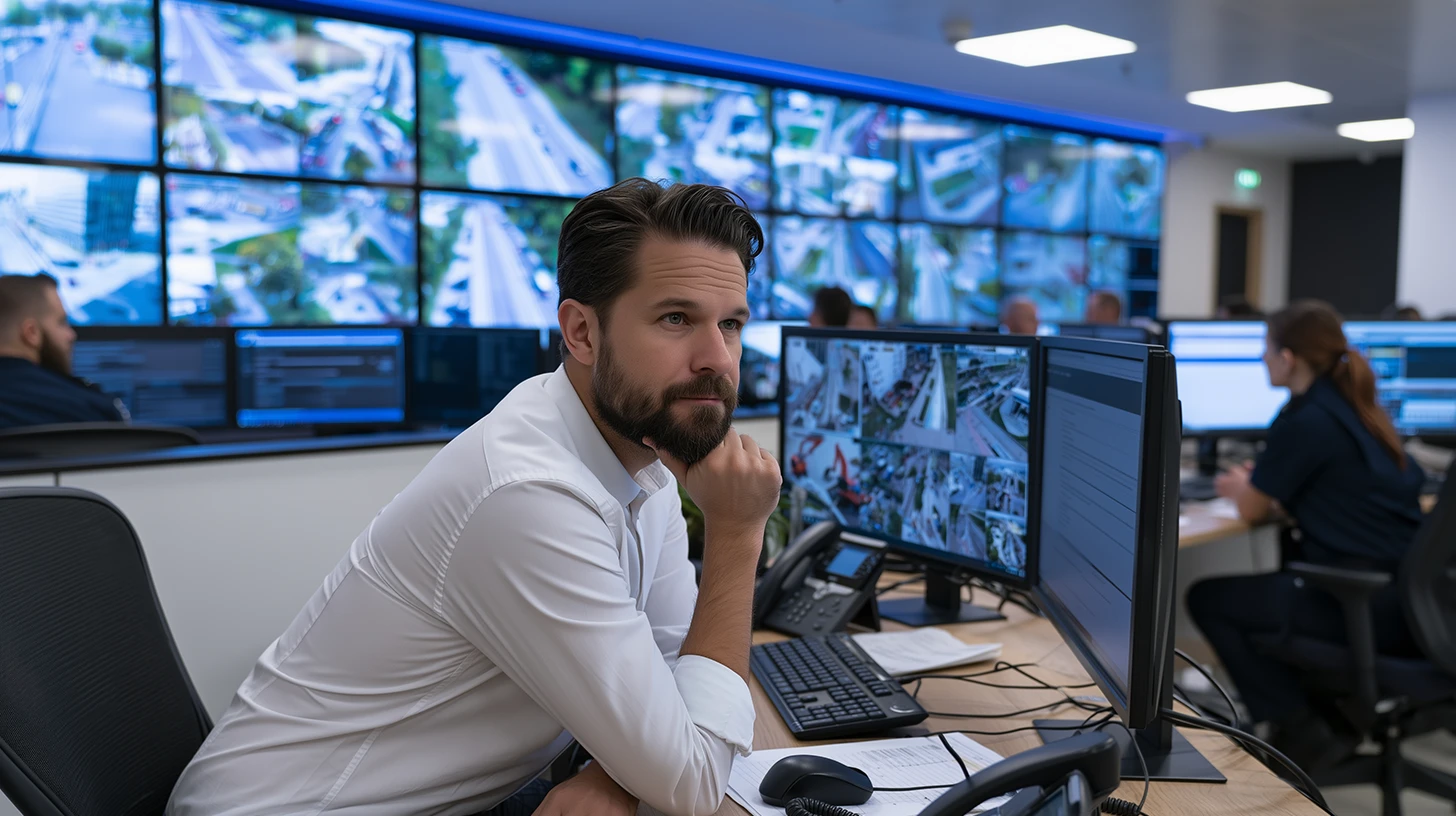

Worldwide security services are changing fast, and corporate clients now expect far more from a provider than personnel with basic equipment. From AI CCTV monitoring to cloud access control, businesses hiring a global security company want a modern technology stack behind every guard, patrol and control room.
Dense urban environments worldwide are driving demand for multi-site security management, and round-the-clock commercial operations across time zones are increasing demand for lone worker safety devices and rapid response through an accredited alarm receiving centre. Regional compliance standards, including GDPR in the EU and UK, CCPA in the US and equivalent regimes elsewhere, are now a genuine trust signal when choosing a provider anywhere in the world.
AI-Powered CCTV and Video Analytics
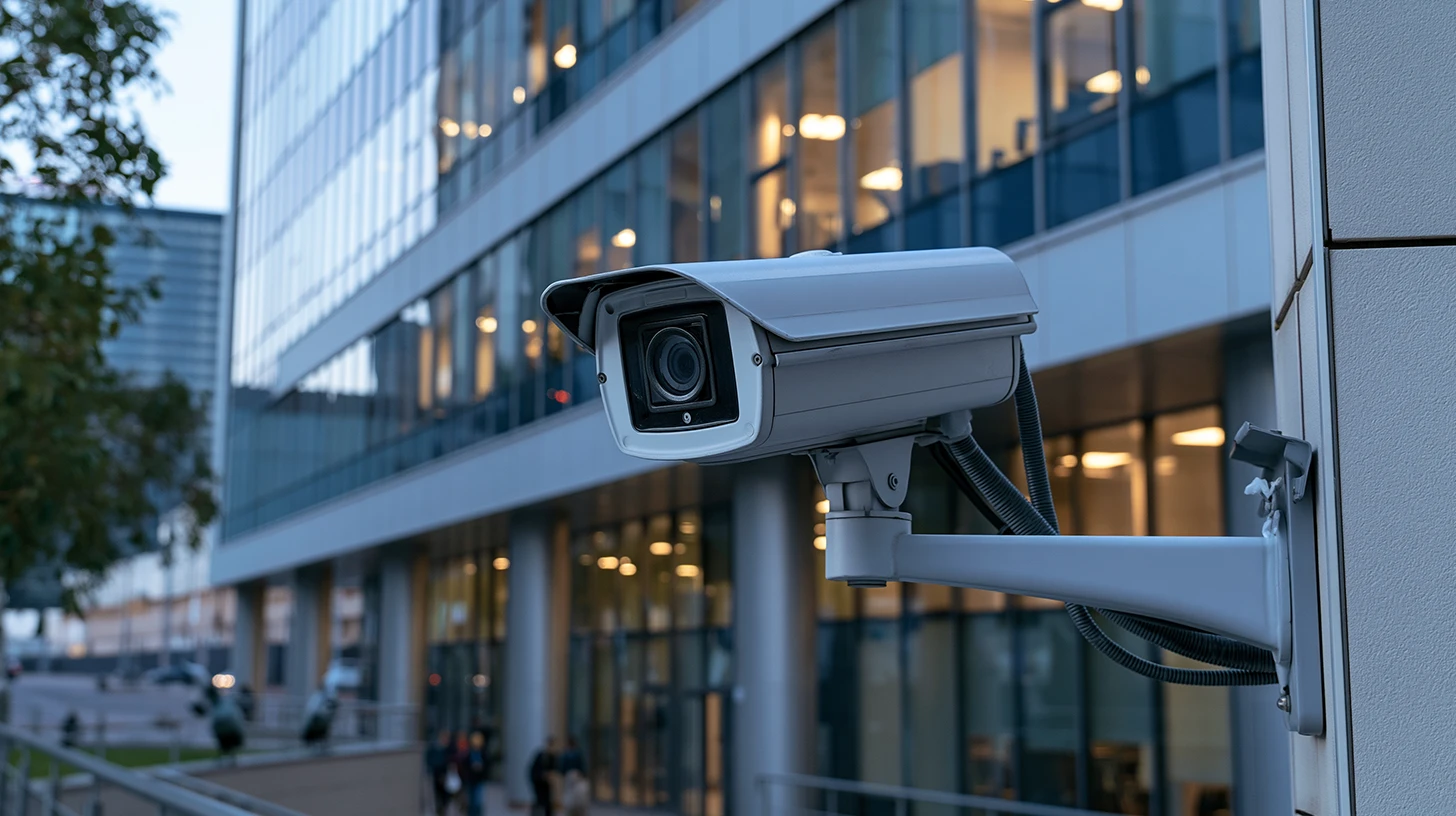
Footage reviewed only after an incident is no longer good enough for corporate clients. AI-powered video analytics spot unusual movement, loitering or a crowd building up as it happens, turning hours of recorded footage into live alerts. Behaviour detection can flag a vehicle idling near a loading bay or someone entering a restricted zone out of hours, prompting an immediate response rather than a review the next morning. Facial recognition adds real value for access verification, but it carries legal weight too.
Under GDPR in the UK and EU, and comparable regimes elsewhere, biometric data is a special category requiring a clear lawful basis and strict retention limits. Remote live monitoring ties the system together, letting one control room watch multiple sites and escalate genuine threats fast.
Cloud-Based Access Control Systems
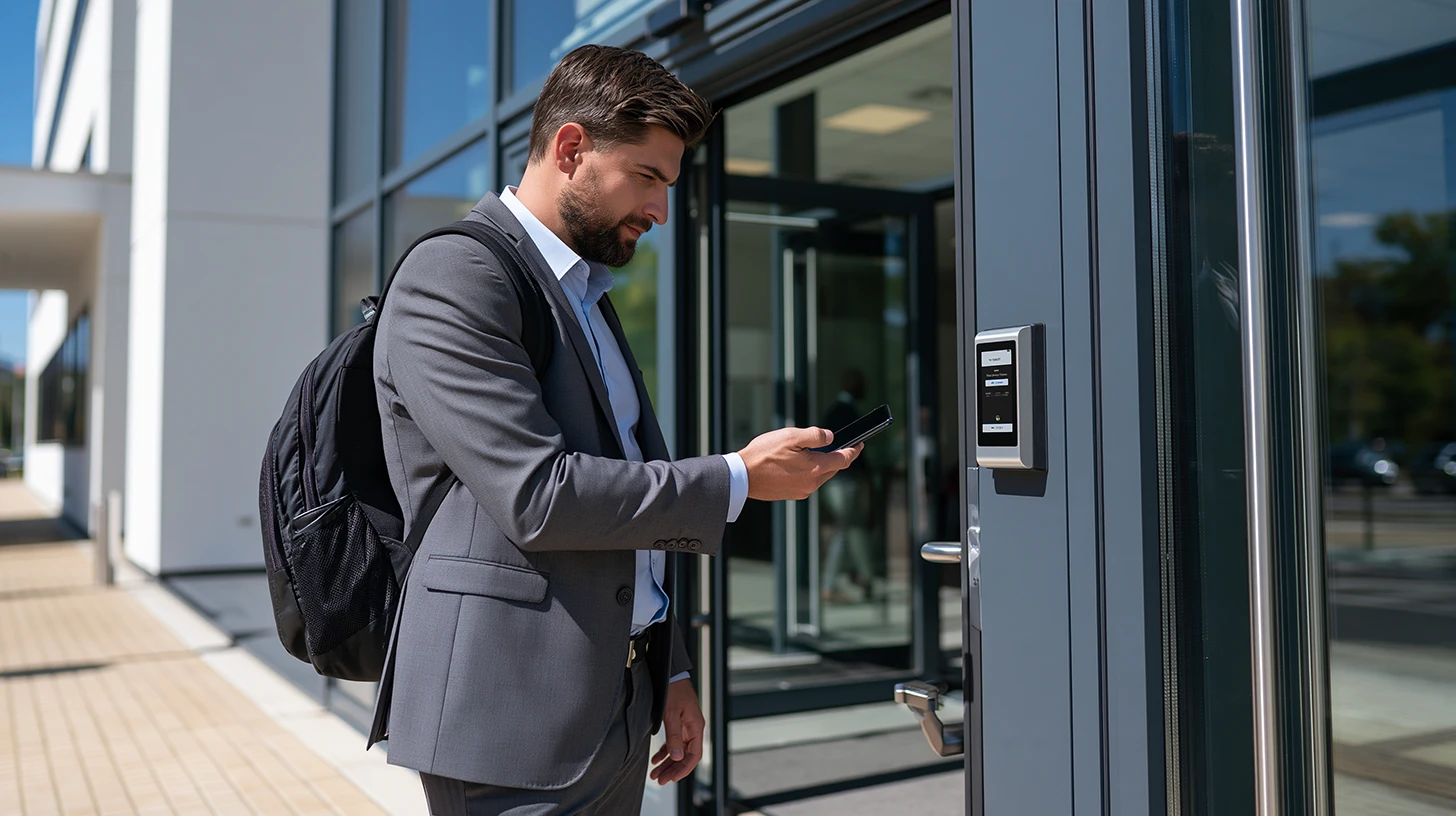
Clients with premises across several locations or countries need one platform managing every door, not a different system per site. Cloud-based access control replaces ageing card readers and on-site servers with mobile credentials, so access can be granted or removed instantly from a single dashboard. Biometric entry adds a further layer of assurance for server rooms and other high-value areas.
The real benefit for multi-site clients is visibility. A facilities manager overseeing offices across several countries can see every access event in real time, spot anomalies such as a door held open too long, and produce a compliance audit trail remotely.
Alarm Receiving Centres (ARCs) and Remote Monitoring
An alarm signal is only useful if it reaches a genuinely accredited monitoring centre that knows how to act on it. Internationally recognised standards such as BS EN 50518 set out strict requirements for the construction, resilience and staffing of an alarm receiving centre, with category one ARCs built to the highest level of security.
This accreditation underpins direct links to emergency services, allowing a verified alarm to trigger a faster response than an unverified call to a general emergency line. Choosing a provider whose ARC holds this accreditation is a straightforward way to judge whether alarm handling will actually be fast and reliable.
Guard Management and Patrol Verification Software
Clients paying for a guarding contract want proof that patrols happened, not just an invoice at month-end. Real-time GPS patrol tracking shows exactly where a guard has been and when, while digital checkpoints, scanned at set points around a site, create a verifiable record that a route was completed in full.
Shift scheduling software removes the guesswork from staffing, flagging gaps before they become a missed patrol. Together, these tools turn a guarding service from a matter of trust into a matter of evidence.
Lone Worker Safety Devices
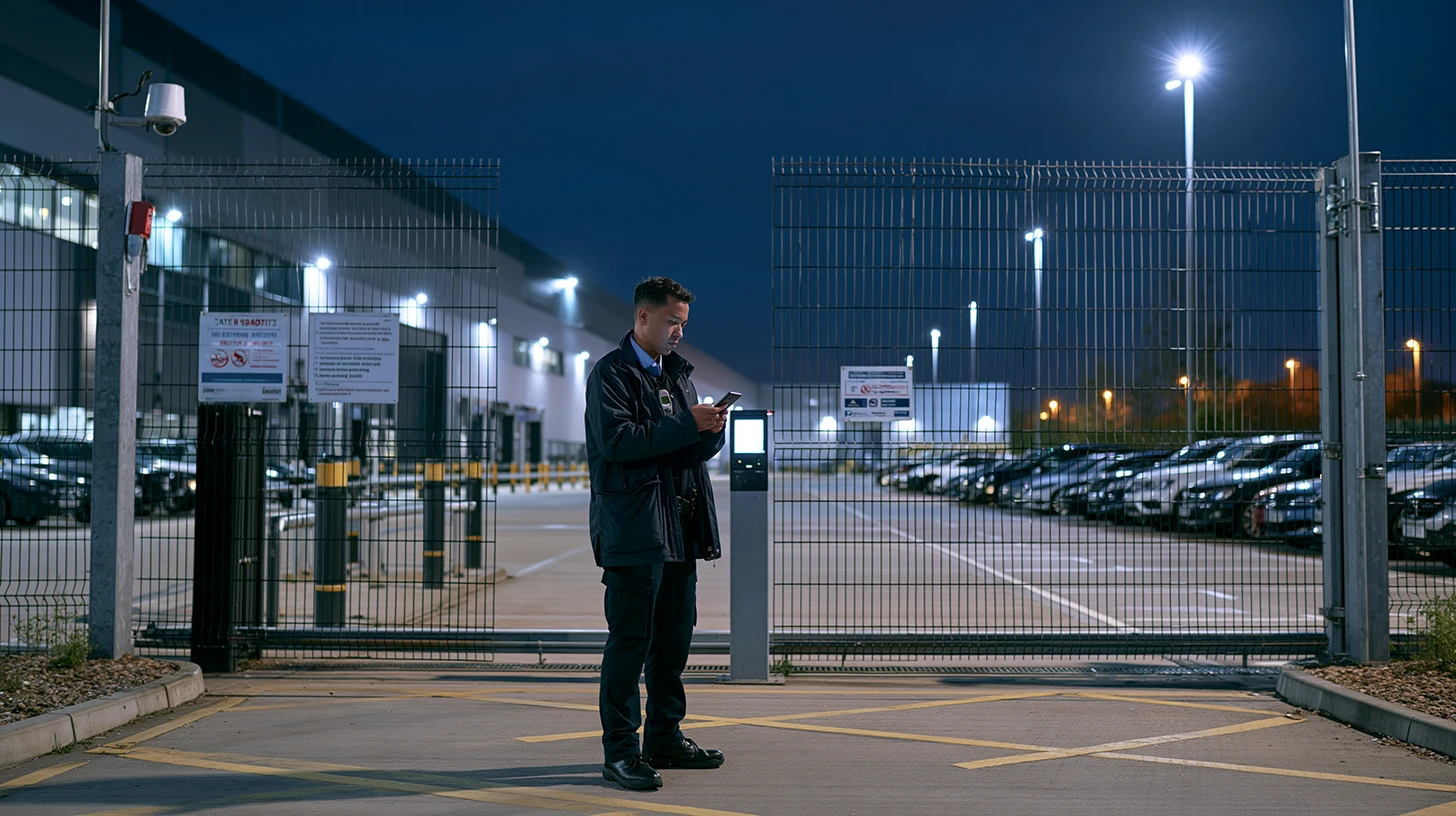
Staff working night shifts, remote sites or high-risk locations anywhere in the world need more than a mobile phone in a pocket. Dedicated lone worker devices combine a discreet panic alarm with GPS tracking, so a worker in danger can raise an alert without drawing attention to themselves, and a response team can locate them within moments. Many devices also include automatic fall or man-down detection.
In the UK, accreditation such as BS 8484 sets a recognised benchmark for the device, the monitoring centre and the response service working together, giving any employer with lone staff a genuine duty of care commitment rather than just a piece of equipment.
Automatic Number Plate Recognition (ANPR)
Car parks, gated business premises, logistics depots and distribution sites share the same basic access problem, knowing exactly which vehicles are coming and going. ANPR cameras read number plates automatically and check them against permitted lists, blocklists or booking systems, so barriers open for authorised vehicles without a guard leaving the gatehouse for every arrival.
The same data creates a searchable record of vehicle movements, invaluable when investigating a theft or a delivery dispute. For logistics operators, ANPR reduces congestion at busy gates while giving site managers accurate, timestamped evidence of every vehicle on site.
Cybersecurity for Physical Security Infrastructure
Every networked camera, IoT lock and cloud monitoring platform is also a potential entry point onto a client's wider network. Default passwords, unpatched firmware and weak segmentation have all been used by attackers to gain a foothold inside otherwise well-protected organisations.
A provider that treats its cameras as part of its own attack surface, rather than as hardware bolted to a wall, is taking a genuinely modern approach. That means regular firmware updates, strong credential management, network segmentation and clear procedures if a device is compromised, a basic due diligence question during procurement.
Client Reporting Portals and Mobile Apps
Corporate clients auditing their security spend want evidence, not assurances. Client reporting portals give facilities and security managers a live view of incident logs, patrol completions and alarm activity in one place, rather than waiting for a monthly report.
Mobile apps extend that visibility further, letting a client check site status, review an incident or message their provider directly from a phone. Service level agreement reporting built into the same platform shows response times against agreed targets, giving teams the auditable evidence needed to justify and renew the contract.
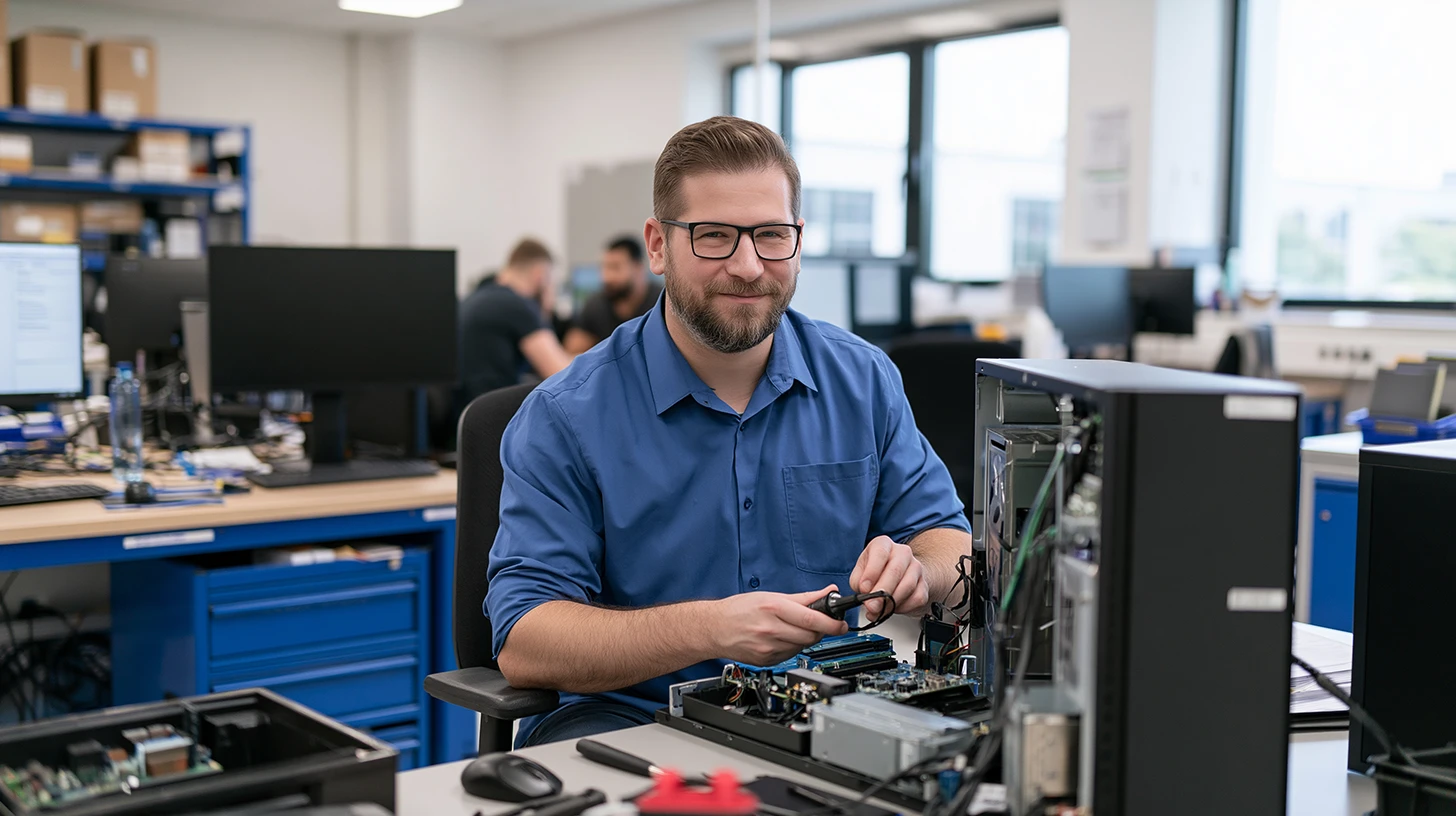
Computer Maintenance, Repairs, and Software Updates
Behind every control room sits an internal IT estate of PCs, servers and dispatch systems that rarely gets the same attention as the cameras and alarms it supports. Unpatched hardware and outdated software are an overlooked entry point for a breach, and a single failed server can bring alarm monitoring or guard dispatch to a standstill at the wrong moment.
Regular maintenance, prompt computer repair and disciplined patching are not glamorous, but they keep a control room running when a client's premises need it most. Basic IT hygiene of this kind is a due diligence signal corporate clients increasingly check for, and a provider that cannot show it maintains its own systems raises a fair question about how well it will maintain a client's security.
None of this technology matters in isolation. What wins and retains corporate contracts globally is the combination of AI-powered monitoring, cloud access control, accredited alarm handling, verified patrols, lone worker protection, ANPR, secure infrastructure, transparent reporting and well-maintained IT systems working as one accountable service. For most B2B security clients, the real purchasing driver is not price alone. It is accountability, faster response times and auditable delivery that can be demonstrated rather than promised, wherever in the world a client operates.