


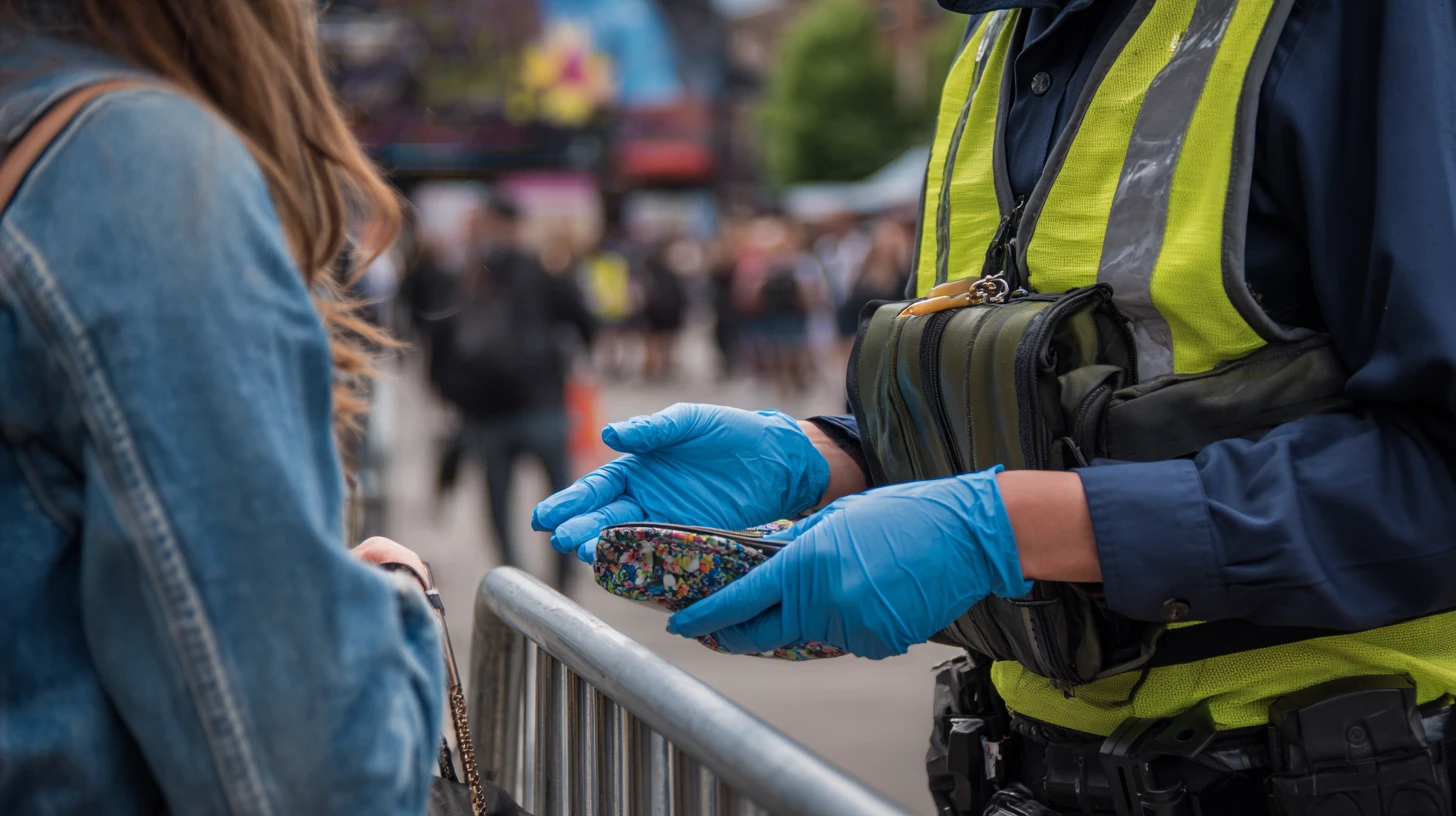

The Security Landscape Has Changed Is Your Event Ready?
The threat facing UK public events has never been more real or more complex. Since 2017, police and event security guard companies across the country have disrupted dozens of late-stage terrorist plots, and the Government continues to assess the terrorism threat level as "substantial." Against this backdrop, bag searches and screening at events have evolved from a straightforward entry formality into a critical, layered component of public safety. For event organisers, venue operators, and security personnel, understanding best practices around search and screening is no longer optional it is an operational and increasingly legal necessity.
The Impact of Martyn's Law
The Terrorism (Protection of Premises) Act 2025, widely known as Martyn's Law and named in memory of Martyn Hett, one of the 22 victims of the 2017 Manchester Arena attack, received Royal Assent on 3 April 2025. The Act introduces new legal duties for a wide range of venues and event organisers, and while an implementation period of at least 24 months means the provisions will likely not come into force until 2027, security experts are urging venues not to wait. The time to build a robust search and screening culture is now.
Understanding the Legal Framework
Before exploring best practices, it is important to understand the legal boundaries that govern security operations at UK events. Security staff in the UK do not have the same powers as police officers and operate under private law. This has direct implications for how bag searches are conducted.
Consent and the Right to Search
Security staff do not have the legal right to touch or search a person's bags without their consent. If a visitor refuses to allow a search, guards cannot touch their belongings. However, this does not render a refusal consequence-free: if bag inspection is a condition of entry to a private venue or event, organisers are entitled to deny access to anyone who declines. In practice, this means that clearly communicated entry conditions, displayed before attendees join a queue, transform consent into a practical reality. Visitors who proceed to the entry point are effectively agreeing to the stated search procedure.
Exceptions to the Consent Rule
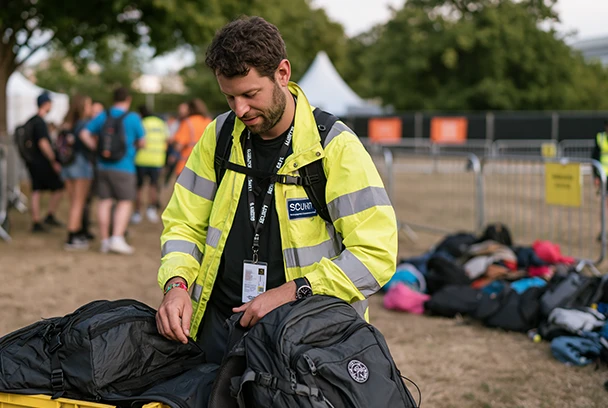
There are narrow exceptions. Security personnel may check unattended bags in relation to a potential bomb threat, or examine a bag to locate identification or medication in a health emergency. Beyond those limited circumstances, the requirement for consent stands. If a security staff member suspects someone of concealing stolen goods and the individual refuses a voluntary search, the guard can detain the person on suspicion under citizen's arrest provisions, but must wait for a police officer to conduct the actual search.
Legal Obligations Under Martyn's Law
Under Martyn's Law, appropriate measures for enhanced duty premises and events could include bag search policies, CCTV monitoring, and vehicle checks. For venues with a capacity of 800 or more, the Act will require documented security procedures submitted to the Security Industry Authority (SIA) as regulator. Even for standard-tier venues with between 200 and 799 expected attendees, public protection procedures must be in place. In short, bag search policy is no longer a matter of tradition or preference it is moving towards a formal legal obligation.
The Problem with "How We've Always Done It"
One of the most significant challenges in event security is institutional inertia. Bag searches and screening at venues are often conducted the way they are because that is how it has long been done at that site, or is typically done in that sector. This approach carries real risks. What was appropriate for a lower-threat environment may be wholly inadequate today, and what works at one venue may be poorly suited to another with a different layout, audience profile, or risk level.

When Manual Searches Fall Short
Manual searches can be highly effective, but that effectiveness can be significantly degraded by pressures to achieve high throughputs, or by the physical and mental demands on personnel of rapidly and repeatedly performing a task. A search operation that begins the evening with rigour can deteriorate markedly over three hours of repetitive work, particularly during high-pressure ingress periods.

Calibrating Your Threat Assessment
There is also the question of what you are actually searching for. Best practice starts with a focused threat assessment. Rather than attempting to eliminate all risk, the aim should be on reliably detecting the threats that pose the greatest risk of harm, specifically explosive devices and weapons capable of mass casualties. Detection rates for smaller illegal items may be lower, but if your primary security concern is a mass casualty attack, your screening process should be calibrated accordingly.
The Queue Problem: Screening as a Security Risk in Itself
This is a point that is frequently overlooked. A poorly managed search operation can have a direct impact on crowding outside the ground during ingress. If flow rates and customer engagement are not effectively managed within the Zone Ex space, the security risks can grow significantly. In other words, an over-engineered or under-resourced screening operation can itself create a dangerous, unregulated crowded public place outside the venue the very outcome the security operation was designed to prevent.

Designing Entry for Flow
This is why maximising throughput by optimising entry process design and delivery is a core best practice. Event organisers should question whether visitors need to empty their pocket contents or remove outerwear to achieve their screening objectives. Every additional step in the entry process compounds delay. Minimising unnecessary divestment, pre-communicating what attendees should expect on arrival, and configuring search lanes to match anticipated arrival patterns can all dramatically reduce the pressure that builds outside a venue before doors open.

Factors That Affect Screening Rates
The number of search lanes provided, the skills and experience of those carrying out checks, and the ratio of male to female security staff relative to the composition of the queue all affect practical screening rates. These factors must be modelled during the plan phase, not improvised on the night. Poor management of this aspect of operations does not just affect customer experience it creates genuine safety vulnerabilities.
Screening Technology: Choosing the Right Tools
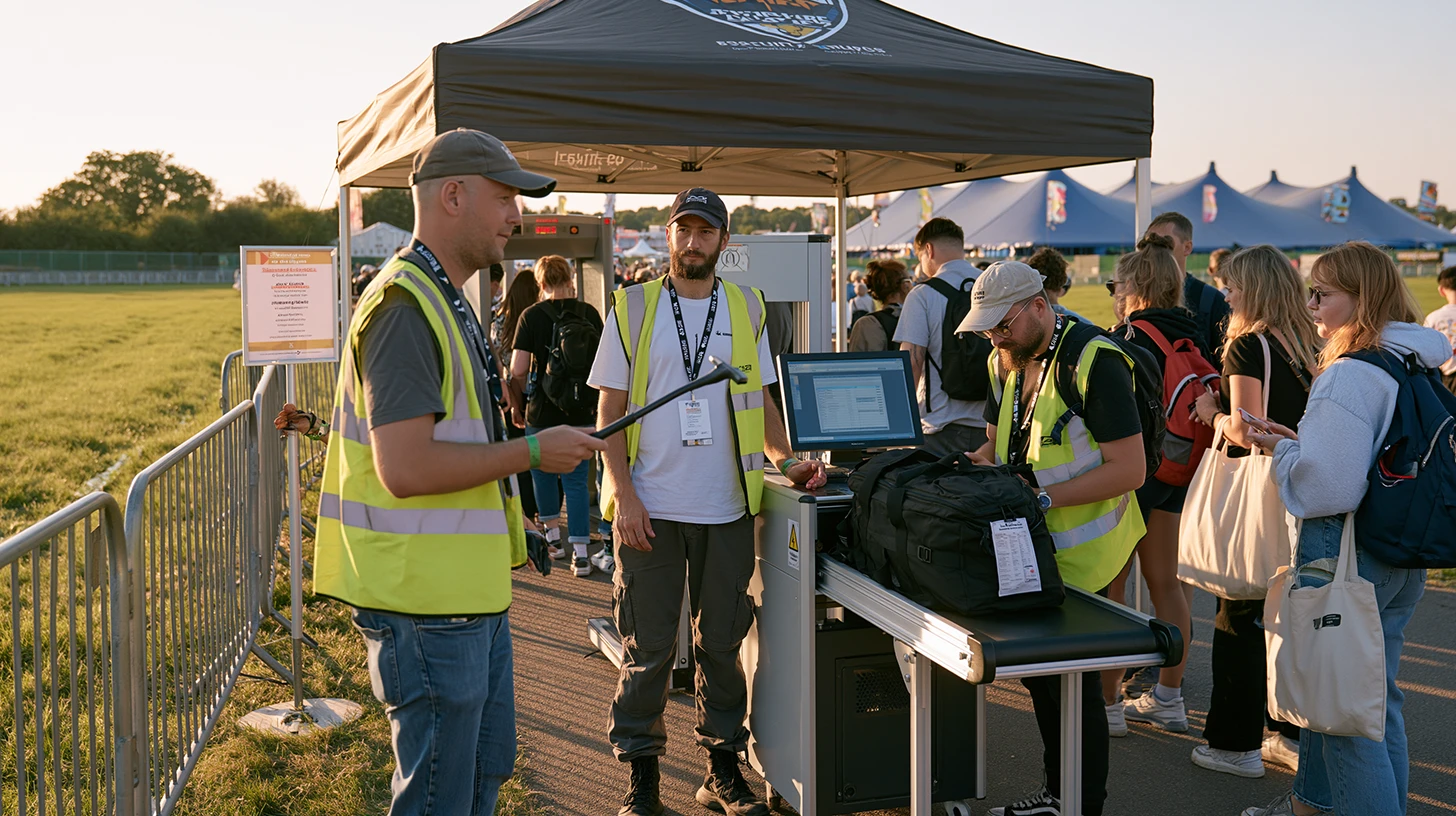
The range of screening technologies available to UK event organisers has expanded considerably. Options include manual pat-down searches, handheld and walk-through metal detectors, bag X-ray systems, and newer high throughput bag screening systems developed specifically for busy public venues. Technologies such as metal detection and bag X-ray can help address staffing limitations, but systems typically require an increased footprint, carry capital and operational costs, and increase the training burden.
Overcoming Barriers to Technology Adoption
This training burden matters enormously for events that rely on contracted or temporary security staff. Many technologies require system-specific training for effective operation interpretation of X-ray images, for example which can present significant barriers to adoption for temporary events. By contrast, products developed specifically for high throughput bag screening aim to be intuitive for both users and visitors, typically signalling the majority of people or bags as clear, with those causing an alarm referred for a manual resolution step.
NPSA Guidance and Test Results
The National Protective Security Authority (NPSA) has been actively working to assist venues in navigating these choices. NPSA has developed test methods spanning discriminative metal detection, discriminative threat detection for metallic and non-metallic threats, and high throughput bag screening. The test results help product manufacturers communicate their systems' detection capabilities and nuisance alarm rates, whilst helping site operators select the products and settings that best match their requirements. For event planners considering an investment in screening technology, NPSA's guidance is an essential starting point. For further information visit npsa.gov.uk.
Crucially, the person responsible for security must ensure that any search and screening measures they deploy address the site's specific requirements and are implemented effectively through appropriate procedures, staff training, and supervision. Technology is an enabler, not a substitute for operational rigour.
The Case for 100% Screening and How to Achieve It
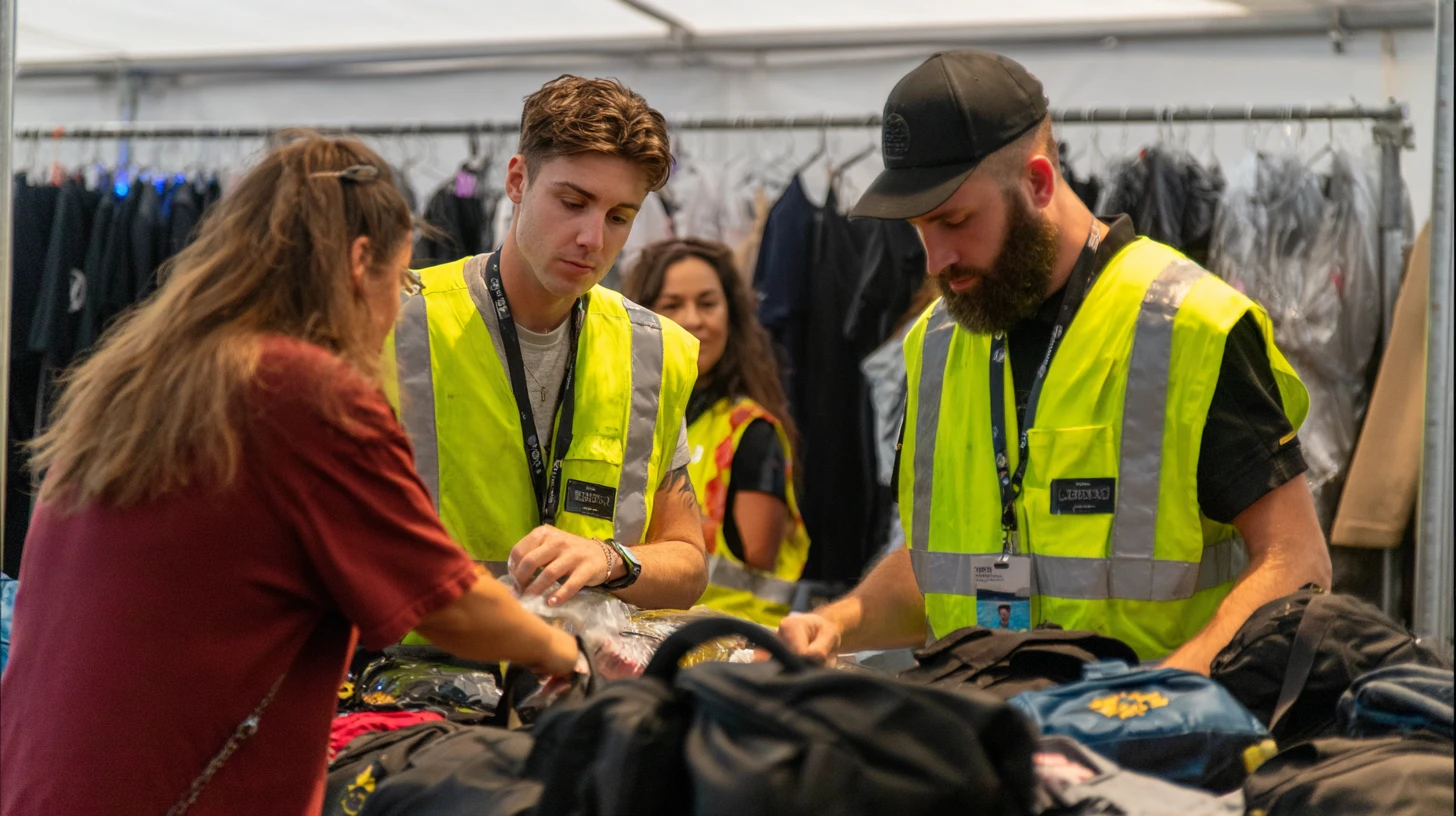
A common approach at UK events is to conduct random or targeted searches of a proportion of attendees. This is operationally understandable but strategically weak. Screening everyone and everything focusing on detection priorities provides significantly greater assurance than randomly selecting a proportion of people or bags. If your priority is detecting prohibited items above a certain size, a policy of systematically checking all bags large enough to conceal those items means you have effectively screened all bags.
Practical Steps Towards Full Coverage
Achieving 100% screening without creating unacceptable queue pressure requires careful process design. Clear signage directing attendees to prepare before they arrive at the search point, communication via ticketing platforms about what to expect on the day, and well-spaced lanes with sufficient staffing all contribute to a smooth operation. Dedicated lanes for attendees with accessibility needs, families with young children, or VIP guests can further reduce bottlenecks without compromising overall screening coverage.
Staff Training, Professionalism, and Communication
The quality of a bag search operation is only as good as the people conducting it. Security staff and stewards should receive comprehensive training in conducting event security bag searches, including identifying suspicious items, maintaining a courteous demeanour, and handling confrontational situations. Equally important is communication: staff must be able to explain the purpose and process of a search clearly and calmly, defusing tension and maintaining the positive atmosphere of the event.
The Importance of Thoroughness
Attention to detail is non-negotiable. A systematic approach checking all pockets and compartments of sufficient size, not just a cursory glance inside a bag is what separates an effective search from a visible but hollow deterrent. Searches should be conducted in a manner that respects attendees' dignity and privacy; where more thorough searches are necessary, they should take place in a private area with a same-gender officer where possible.
Knowing the Legal Limits
Event organisers should also ensure their security staff understand exactly what they can and cannot legally do. Overstepping those boundaries, however well-intentioned, creates legal exposure for the organiser and undermines public trust in the security operation as a whole. All security staff working at licensed venues must hold a valid SIA licence, and ongoing professional development is key to maintaining high standards across the team.
| Topic | Best Practice | Risk Level |
|---|---|---|
| Legal Framework, Consent & Licensing | Communicate entry conditions before the queue so consent is practical; only search without consent for bomb threats or medical emergencies; ensure all staff hold valid SIA licences and know their legal limits; build toward Martyn's Law compliance now | 🔴 High |
| Queue Management & Entry Flow | Poorly managed screening creates dangerous crowding outside the venue (Zone Ex); minimise divestment steps, pre-communicate expectations, and match lane numbers/staffing to arrival patterns | 🔴 High |
| Search Thoroughness & Staff Readiness | Rotate staff to prevent fatigue-driven drop in rigour over long shifts; train on suspicious-item ID, courteous demeanour, de-escalation, and systematic full-bag/pocket checks | 🔴 High |
| Screening Coverage & Threat Focus | Move from random/partial checks toward 100% screening of items above a size threshold; calibrate detection priorities around mass-casualty threats rather than trying to catch everything | 🟡 Medium |
| Screening Technology Selection | Weigh training burden, footprint, and cost of metal detectors/X-ray against staffing gaps; use NPSA test data to match products and settings to venue needs | 🟡 Medium |
| Layered Security Beyond the Gate | Don't rely on entry screening alone — combine with CCTV, roving security, incident response planning, and coordination with police/counter-terrorism teams | 🔴 High |
Layered Security: Bag Searches Are Not Enough on Their Own
No single measure, however well designed, eliminates risk. Effective security requires multiple, complementary measures, each practical and proportionate. Rather than committing ever more resource to marginally improving screening outcomes at the entry point alone, additional effort is better directed at reducing risk across the operation as a whole: staff security awareness training, effective incident response planning, and coordination with local police and counter-terrorism teams.
Building a Culture of Security Awareness
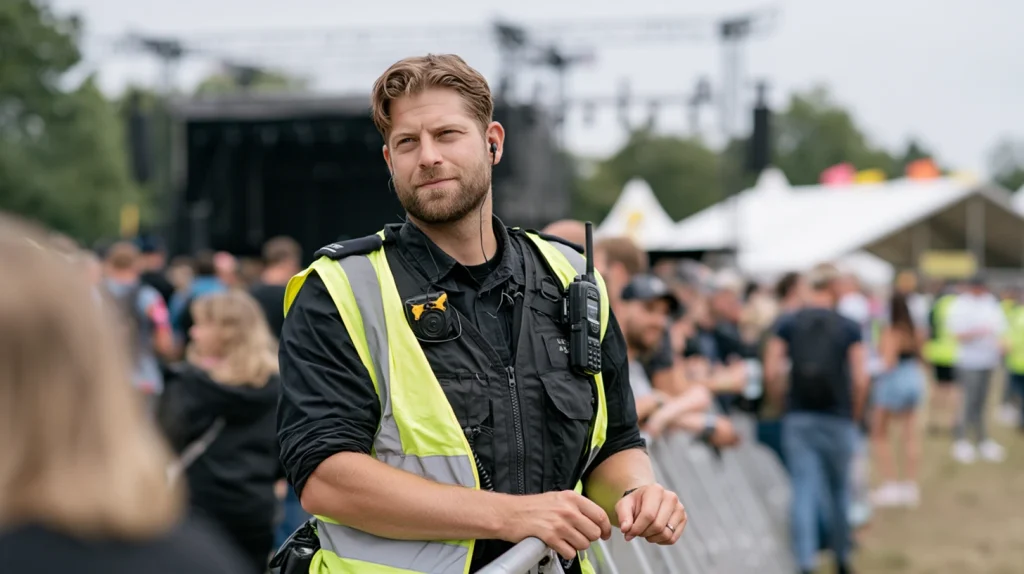
Many venues and events already invest considerably in their visible security presence, but the less visible elements are equally important. Staff who are trained to recognise suspicious behaviour, management teams who conduct regular safety briefings, and supervisors who ensure that search procedures are being followed consistently throughout an event not just at the start are all essential components of a well-run operation.
Technology, People, and Process Working Together
A layered approach means that if a threat item slips through entry screening, other measures CCTV coverage, roving security staff, effective communications, and a practised response plan can still detect and contain that threat before it causes harm to those attending. Bag searches are a vital layer, but they are one layer among many. In the context of Martyn's Law, this integrated thinking is precisely what the legislation seeks to embed across venues of all sizes.
Looking Ahead
The UK events sector is at a pivotal moment. Martyn's Law is now on the statute book, and the implementation clock is running. The coming two years should be used proactively: assessing current screening arrangements, identifying gaps, investing in appropriate technology, and building the staff training culture that will be needed to meet new legal obligations.
For event organisers, the message is crucial and clear: bag searches and screening must be treated not as a checkbox exercise but as a dynamic, professionally managed operation one that balances the genuine imperative of public safety with the equally important goal of delivering a welcoming, well-run event experience. Done well, robust screening does not diminish an event. It protects it, it protects the business behind it, and above all, it protects the people attending it.