


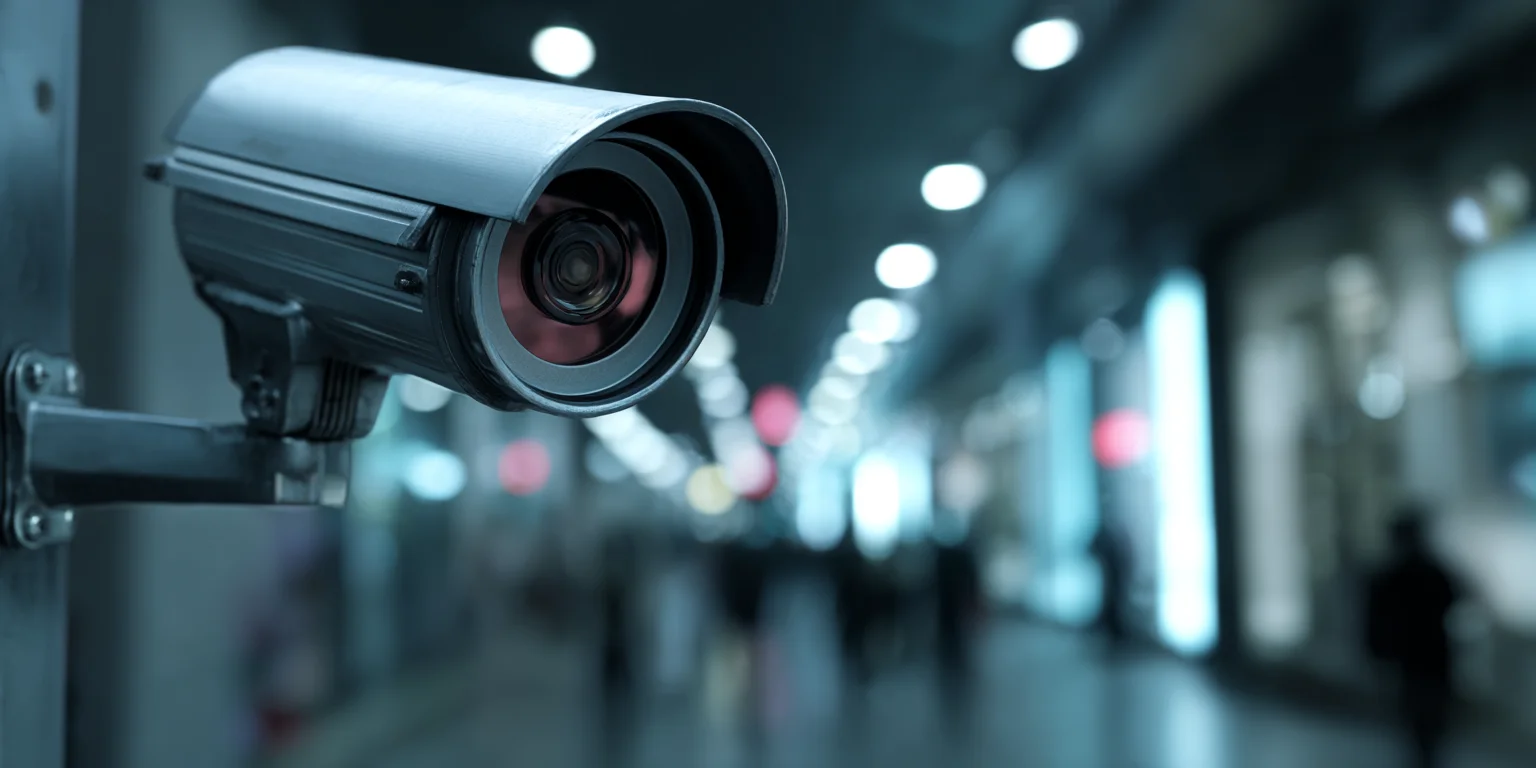

London CCTV security monitoring, remote CCTV monitoring London, proactive surveillance London. These phrases are more than keywords. They describe a practical approach that keeps London businesses, schools, residential blocks and community venues safe at any hour. Our control room is staffed by SIA licensed operators who know London, understand how different boroughs work and coordinate swift responses that protect people, property and reputation.
What CCTV Security Monitoring Means In London
CCTV security monitoring in London is a managed service that combines cameras, recording equipment, stable networks and trained operators. The goal is to detect suspicious behaviour early, communicate clearly with customers and trigger a proportionate response. The system turns cameras from a passive record into an active layer of protection. For many sites across the capital this is the most efficient way to gain coverage after hours and during busy periods without placing extra pressure on on site teams.
Monitoring also means more than watching screens. It includes setting rules for alerts, tuning detection to the environment, producing evidence that stands up to scrutiny and maintaining positive relationships with neighbours and local police teams. London presents diverse challenges. A shop on Oxford Street faces dense footfall and frequent deliveries. A construction site in Waltham Forest needs strict perimeter checks each evening. A school in Hammersmith needs discreet observation that supports safeguarding while balancing privacy. The service adapts to these different needs.
Knowing Your CCTV Equipment For The Best Possible Results
Success begins with knowing your CCTV equipment for the best possible results. We audit every element so performance is clear and reliable. Understanding the strengths and limits of each camera allows our operators to interpret images correctly and react without delay. We document models, lenses, field of view, frame rates, compression settings, storage capacity and network paths. We keep this information inside an operational profile so that any operator can work the site effectively from the first minute of a shift.
Operators are trained to understand how each camera behaves in daylight and at night. Some models handle low light with colour views, others switch to infrared. We note how image quality changes when street lighting is reduced, when seasonal foliage grows or when building works add temporary fencing. Knowing the equipment turns observations into decisions. It prevents wasted time and reduces false alerts which keeps monitoring affordable and effective.
Camera Placement And Lens Choices
Placement is everything in London where pavements are narrow and sight lines change quickly. Wide angle views cover large areas but can miss detail at a doorway. Telephoto lenses capture faces and number plates but require steady mounts. We help customers choose the right combination. Entrances and reception areas benefit from close views at head height. Car parks need overlapping views that remove blind spots. Perimeter lines along alleyways benefit from cameras with protective housings and strong lighting.
Lens selection matters. Varifocal lenses are useful for sites that change layout, such as construction projects that move through phases. Fixed lenses give consistent framing that makes analytics more reliable. We record chosen focal lengths so that replacement cameras are set to the same view. This consistency helps operators notice changes at once which keeps response times short.
Lighting And Night Performance
London enjoys varied street lighting. Some boroughs use warm lamps, others use bright white light. Businesses add signage, canopies and shutters which change reflections and shadows. We test cameras after sunset and during the early morning when lighting differs. Where needed we add small LED units to lift light on key points like gates and side doors. Good lighting improves identification and makes video analytics more accurate.
Infrared illumination helps where light must remain low, for example near residential blocks or schools. We position infrared lights carefully to avoid glare on signs or wet ground after rain. We confirm how far each unit reaches and adjust camera exposure so that moving subjects remain clear.
Network And Recording Infrastructure
A stable network keeps monitoring dependable. We map every connection from camera to switch to recorder to router. We specify separate power supplies for key cameras and we install battery backups where risk is high. For multi building sites we use wireless bridges or fibre to keep latency low. We test upload bandwidth to confirm that the control room receives smooth streams without drops.
Recording settings balance quality with storage. We set frame rates to suit the scene. Entrances, tills and gates often justify higher rates. Quiet yards can be recorded at lower rates. We apply motion recording with short pre and post buffers so that incidents are captured in full. Storage plans are aligned with data protection duties and insurance requirements.
Monitoring Process And Response
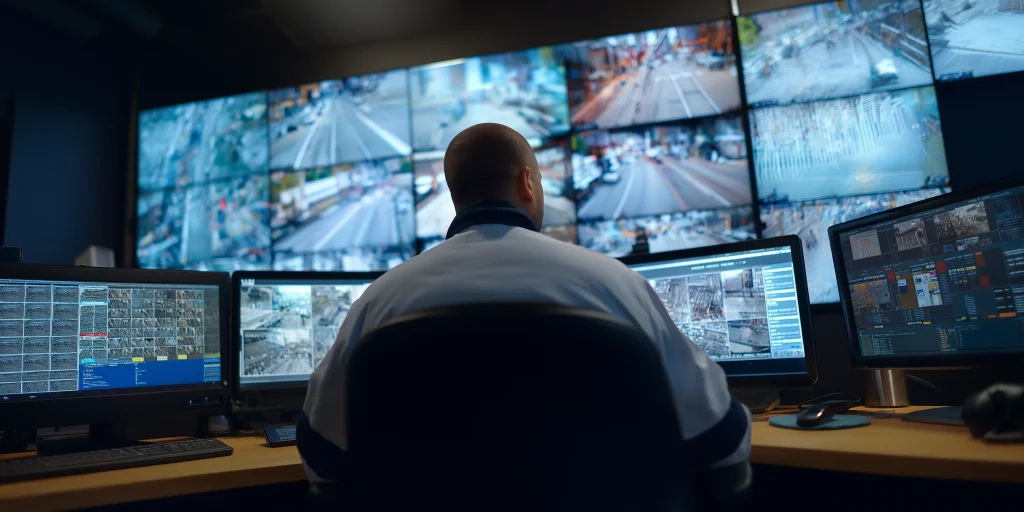
Operators watch live views, review alerts and follow a clear response script. When an alert fires the operator checks the live stream and nearby cameras to build context. If a person appears to be testing a gate the operator issues an audio warning through speakers if installed. If the person continues the operator calls the appointed key holder or mobile patrol. If a crime is in progress the operator contacts police through agreed lines and provides live updates.
Communication style is professional and calm. We log time stamps, camera IDs, actions taken and outcomes. After an incident we share a concise report with still images and a link to the relevant clip. This documentation helps customers work with insurers and local authorities. It also helps us refine the alert rules so that response keeps improving.
Video Analytics That Work In London
Analytics can save time when tuned correctly. We use virtual tripwires on perimeter lines and object detection rules to focus on people and vehicles. In parts of London with heavy foot traffic we tighten zones to avoid alerts for passers by. On quiet industrial estates we widen zones and add schedules for weekend coverage. We train operators to understand the limits of analytics so that they confirm every alert with human judgement. This balanced approach gives the best mix of speed and accuracy.
Integration With On Site Guards And Mobile Response
Remote monitoring is strongest when it integrates with on site teams. Our control room talks directly to supervisors and mobile patrol units. For late night unlocks we confirm identity through agreed codes and we track how long doors remain open. For lone workers we schedule check ins. For door alarms we view cameras before staff approach. This integrated model gives customers confidence that risks are managed in real time.
Where a customer already has an in house security team we provide the monitoring layer that keeps costs steady. The control room handles off site hours and escalates only when needed. This keeps guards focused on customer service and planned tasks during the day.
Sector Specific Coverage Across London
Retail needs fast evidence for refund disputes and stock loss. We place cameras at entrances, self checkout lanes and loading bays. We provide clips within minutes so managers can act.
Construction sites change weekly. We bring tower cameras and renewable power where mains power is not yet available. We adjust views as the build progresses and we keep logs that satisfy principal contractors and insurers.
Offices and business parks require quiet monitoring that protects reputation. We coordinate with building managers, cleaners and maintenance teams. After hours we keep an eye on lifts and lobbies and we alert key holders if doors are propped open.
Schools and colleges require sensitivity. We support safeguarding teams by monitoring perimeters and entrances. We do not monitor toilets or changing rooms. We work with designated safeguarding leads to set recording rules that protect privacy while maintaining safety.
Residential blocks need clean audio warnings and clear signage. We help management companies reduce nuisance behaviour in bin stores and bike rooms. We coordinate with caretakers and concierge teams so that residents experience a supportive service.
Data Protection And Privacy
CCTV involves personal data. We help customers meet UK GDPR and the Data Protection Act. We agree a clear purpose for each camera, publish fair processing notices and set retention periods that match risk. We restrict access to recordings, record who downloads footage and provide an audit trail. When a subject access request arrives we help the data controller respond by locating clips and applying pixelation where lawfully required. This careful approach protects privacy and reduces legal risk.
Measuring Performance And Reducing False Alarms
We track metrics that matter. Examples include the number of alerts per day, the ratio of genuine alerts, average response time and time to provide evidence. We share monthly reports and we explain what will be done to improve scores. Many false alarms come from spiders, flapping signs or moving foliage. We cut these by cleaning housings, trimming plants and changing analytic zones. Seasonal reviews keep the system in tune with real conditions on site.
Working With The Metropolitan Police And Local Networks
Effective monitoring depends on cooperation. We maintain contact details for safer neighbourhood teams across London and we understand how each borough prefers to receive information. When a crime occurs we provide clear descriptions and accurate time stamps. We support customers in submitting evidence through the relevant portals. This respectful relationship helps incidents reach the right people quickly which improves outcomes.
Maintenance That Protects Investment
A well maintained system delivers better images and fewer callouts. We schedule visits to clean lenses, check housings, tighten brackets and test infrared units. We review firmware and apply updates after hours. We test every speaker, microphone and relay. We confirm that time settings match the control room so that clips align with reports. We keep spare parts for core models so that repairs are quick. This routine care keeps total cost of ownership down and extends the life of the system.
Choosing A London CCTV Monitoring Partner
When selecting a provider ask for evidence of SIA licensing, operator training and control room resilience. Request sample reports and incident logs. Check how the provider handles peaks in demand during storms or city events. Confirm that there is a plan for network outages and that recordings continue locally if the connection drops. Ask for references from sites similar to yours in size and location. A proven partner will be happy to arrange a walk through so you can see the service in action.
Pricing Models And Value
Costs vary with camera count, alert complexity and response arrangements. Remote monitoring is often more cost effective than adding overnight guards on quiet sites. Many customers combine both. The control room monitors the perimeter and a mobile unit attends if needed. We explain all options clearly so that you can choose a blend that fits your budget and risk profile. The value comes from prevented loss, faster evidence and peace of mind that your site is watched by a local team who understand London.
Implementation Plan And Next Steps
Getting started is straightforward. We survey the site, review existing equipment and confirm that it meets the needs of monitoring. Where upgrades are useful we prioritise them. We create an operational profile that lists cameras, views, schedules, alert rules and responders. We test the system for a short period and tune it based on real alerts. Once live we hold monthly reviews and plan seasonal adjustments. You receive a single point of contact who knows your site and can make changes promptly.
If you would like to strengthen protection across your London locations our team is ready to visit, assess and provide a clear proposal. Knowing your CCTV equipment for the best possible results is the foundation of effective monitoring. With local knowledge, trained operators and a practical plan you can reduce risk, respond faster and protect people and property across the capital.