


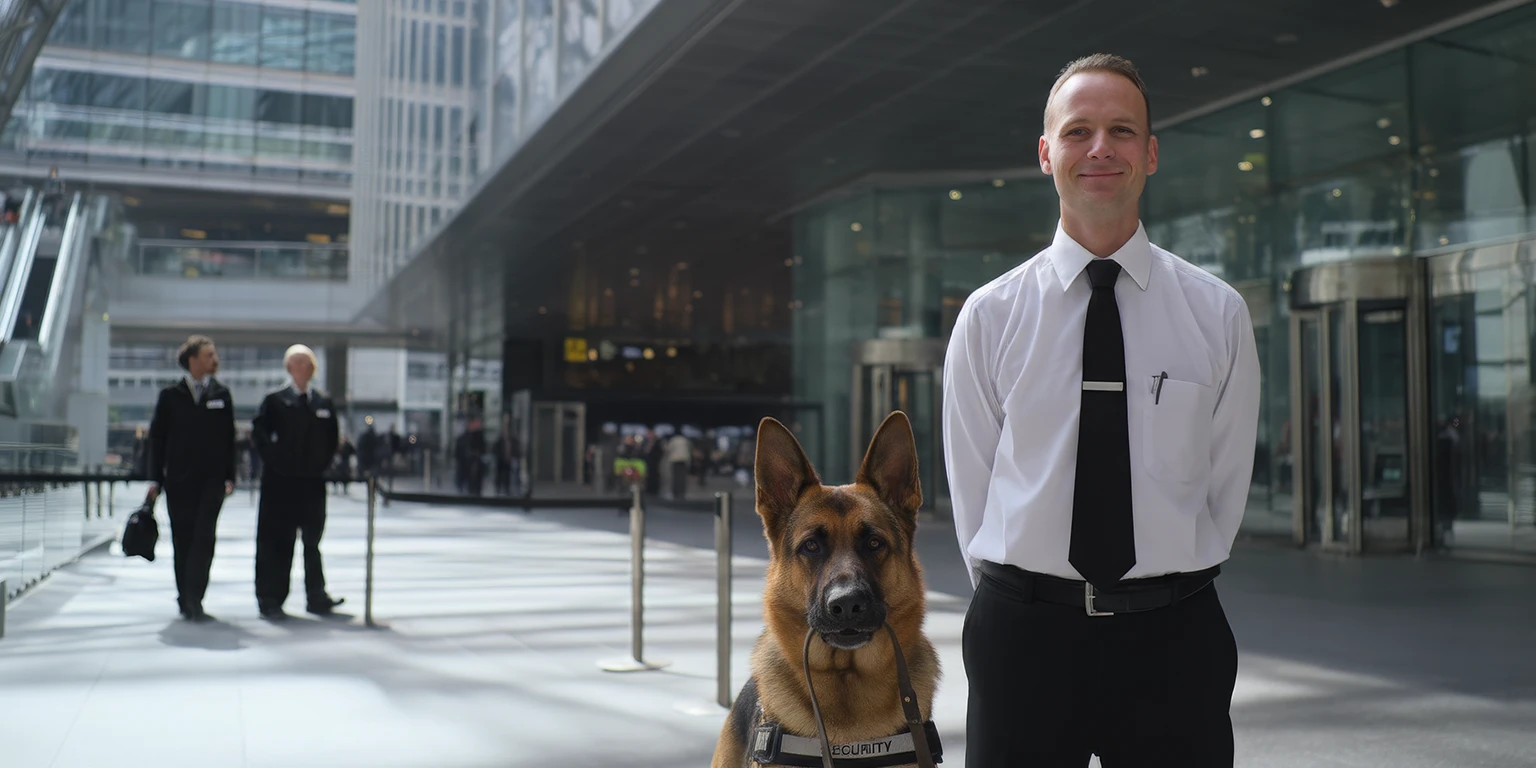

When it comes to protecting your home, your family, or your business, few measures are as effective or as enduring as a well-trained guard dog. Dogs have been used as protectors for thousands of years, with archaeologists even unearthing signs warning visitors about guard dogs in ancient Roman ruins. So, what type of dog is best for security? The answer is not entirely straightforward, because the right dog for you will depend on your living situation, your lifestyle, and the level of protection you need. In this guide, we explore the most capable guard dog breeds, what makes them stand out, and how to choose the right breed for your circumstances.
What Makes a Good Guard Dog?
Before diving into specific breeds, it helps to understand what traits define an excellent guard dog. The best guard dogs share common characteristics: they are loyal, intelligent, alert, and confident. They possess strong protective instincts, the ability to distinguish between a welcome guest and a genuine threat, and the temperament to remain calm under pressure.
A guard dog is not simply an aggressive dog. Aggression without discipline is dangerous and counterproductive. The most effective guard dog breeds combine natural instinct with consistent training, making them reliable protectors rather than uncontrolled animals. Dogs that have received proper, consistent training are far safer around children, other pets, and strangers, while still being formidable when protection is genuinely needed.
The traits shared by effective guard dogs typically include courage, territorial awareness, intelligence, physical strength, and an unshakeable loyalty to their owners and family. These are not one-dimensional animals great guard dogs are also deeply affectionate companions within their family unit. That balance between protector and companion is what makes certain breeds so exceptional at what they do.
In the UK, guard dogs used on commercial premises must be handled in accordance with the Guard Dogs Act 1975. Always research the legal requirements for your chosen breed before making a decision.
The German Shepherd The Gold Standard
When most people picture guard dogs, the German Shepherd is almost certainly the breed that springs to mind and for very good reason. This is one of the most widely used dog breeds by police and military forces around the world, prized for its extraordinary combination of intelligence, agility, loyalty, and trainability.
The German Shepherd is protective by nature. Its protective instincts are deeply ingrained, and the breed will react swiftly when it senses a threat to its family or territory. Despite this, German Shepherds are also affectionate and playful animals that bond deeply with their families. They are great with children when properly socialised, making them a wonderful family pet as well as a vigilant protector.
This breed demands a significant time commitment. German Shepherds need regular exercise ideally two or more hours per day along with plenty of mental stimulation to prevent boredom and destructive behaviour. Without sufficient physical activity, they can become anxious or restless. For active owners who can commit to consistent training and exercise, however, the German Shepherd is arguably the gold standard among guard dog breeds. The breed's versatility means it excels equally in police work, personal protection, and home security.
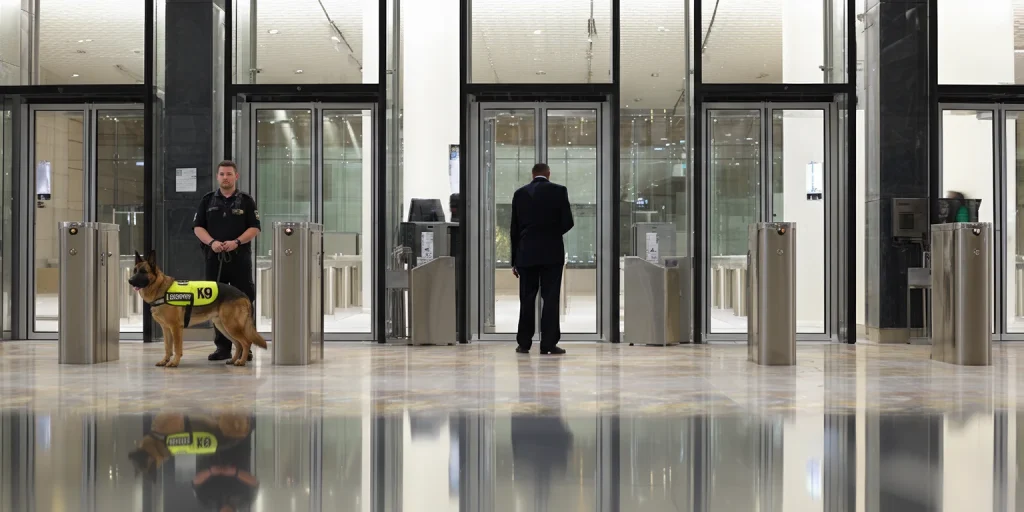
The Belgian Malinois Elite Protection at Its Finest
The Belgian Malinois is a breed that has surged in recognition across the UK in recent years, particularly among professional security services, police units, and specialist protection dog trainers. Physically similar to the German Shepherd but typically leaner and faster, the Belgian Malinois is a remarkable working dog with exceptional drive, focus, and stamina.
The Belgian Malinois is fiercely loyal to its handler and family. Its protective instincts are among the strongest of any breed, and it is used extensively by the police, military, and specialist security companies thanks to its speed, intelligence, and courage. The Belgian Malinois genuinely thrives on protection work it needs a job to do, and without consistent training, regular exercise, and sufficient mental stimulation, it can become difficult to manage.
This is not a dog suited to first-time owners. The Belgian Malinois demands an experienced handler who understands its traits and temperament, and who can provide consistent, structured training alongside a demanding physical activity routine. In the right hands, however, this breed is one of the most capable personal protection dogs available anywhere in the world. It is a fiercely loyal companion that forms an exceptionally deep bond with its owner while remaining ever-alert to any potential threat.
The Rottweiler Power, Presence, and Loyalty
The Rottweiler is perhaps the breed most commonly associated with security, and its reputation is well earned. Originally bred to herd cattle and guard livestock, the Rottweiler is a powerful, muscular dog with a deeply territorial instinct and an imposing presence that can act as a significant deterrent simply by being in the room.
Rottweilers are fiercely loyal animals that form incredibly strong bonds with their families. They are intelligent, respond well to consistent training, and with proper handling from an early age can be calm, affectionate, and trustworthy around children and other pets. A well-trained Rottweiler is a genuinely excellent guard dog: composed within the home but capable and determined when a real threat presents itself.
Like all large, powerful protection dogs, Rottweilers need plenty of regular exercise and mental stimulation to remain balanced. Physical activity is not optional for this breed it is essential. A bored Rottweiler with excess energy can channel its protective instincts in undesirable ways. For experienced owners who invest the time in consistent training and proper socialisation, though, the Rottweiler is one of the best guard dogs available and a deeply loyal family companion.
The Doberman Pinscher Speed, Intelligence, and Deterrence
Originally bred in the late nineteenth century by a German tax collector named Karl Dobermann, the Doberman Pinscher was designed from the very outset to be an effective guard dog and personal protector. The breed is fast, intelligent, and alert, with a sleek muscular build and a naturally imposing appearance that makes it one of the most recognisable security dog breeds in the world.
The Doberman is one of the most effective personal protection dogs available. Its speed and agility mean it can cover ground rapidly if a threat needs to be intercepted, while its intelligence and trainability make it highly responsive to consistent training. Dobermans create strong, intense bonds of loyalty with their owners, and that loyalty underpins everything they do. They are fiercely protective, exceptionally alert, and always watching.
Despite their fearsome reputation, Dobermans can be warm, affectionate, and playful with their families. The key is socialisation and training from the puppy stage. A Doberman raised as part of the family, with consistent guidance and regular exercise, will be both a loyal companion and a formidable protector. For those seeking a dog that combines personal protection capabilities with genuine family warmth, the Doberman Pinscher is hard to beat.
The Akita Japan's Ancient Guardian
The Akita is a large, powerful breed with a distinguished history as a guard dog in Japan, where it was originally bred to protect royalty and guard the properties of the nobility. The Akita is naturally protective, calm, and dignified alert and watchful at all times, yet not prone to unnecessary aggression.
Akitas are fiercely loyal animals that take their protective duties seriously. They are naturally suspicious of strangers and can be dominant around other dogs, which makes careful socialisation essential. However, within the right family environment, the Akita is an affectionate, calm, and utterly loyal companion that will protect with real courage when the moment demands it.
The Akita requires consistent training from an experienced owner who understands its independent and strong-willed nature. These are dogs that respond best to firm, respectful guidance and regular exercise. Their traits, deep loyalty, physical strength, natural wariness of strangers, and strong protective instincts, combine to make the Akita an excellent guard dog for those equipped to handle it.
The Cane Corso Ancient Strength, Modern Protection
The Cane Corso is an ancient Italian breed with a formidable muscular build and a deeply ingrained protective instinct. Originally bred as a war dog and hunter, the Cane Corso has been used for centuries to guard property, livestock, and people. Those instincts remain every bit as powerful today, making the Cane Corso one of the most capable guard dog breeds available.
Despite its imposing size and strength, the Cane Corso is calm and affectionate within its family unit. It forms strong bonds with its owners and can be gentle and playful with children it has been raised alongside. However, the Cane Corso is a serious breed that demands consistent training, thorough socialisation, and regular exercise. It is not suited to inexperienced owners or constrained living situations this is a large dog that needs space, activity, and a confident handler.
For those who can meet its considerable needs, the Cane Corso rewards its owners with a calm, protective, and deeply loyal companion that takes its role as guardian of the family very seriously indeed.
The Great Dane Deterrence Through Sheer Stature
The Great Dane may not be the first breed that springs to mind when thinking about guard dogs, but this magnificent animal offers something unique: deterrence through sheer physical presence. Standing up to 32 inches at the shoulder, the Great Dane is one of the largest dog breeds in existence, and its imposing stature combined with a deep, powerful bark is often enough to discourage intruders without any confrontation at all.
Great Danes are, in temperament, surprisingly gentle and affectionate. They are calm, loyal animals that integrate beautifully into family life and are typically wonderful with children. They are not the most naturally aggressive of the guard dog breeds, but their sheer size, their alert nature, and their loyalty to their family make them an effective deterrent. A Great Dane patrolling a property sends an unmistakable message to anyone with ill intent.
Other Notable Guard Dog Breeds
While the breeds above represent some of the finest guard dogs available, several other breeds are well worth considering. The Bullmastiff originally bred by English gamekeepers to protect estates from poachers is a calm, powerful dog with excellent natural instinct for guarding. Its muscular build and quiet confidence make it a formidable protector.
Giant Schnauzers are intelligent working dogs with strong protective instincts, widely used in police roles and professional security work. Boxers are alert, energetic, and fiercely loyal animals that make great pets and reliable guard dogs. The Tibetan Mastiff, originally bred in the Himalayas to guard temples and monasteries, is one of the most naturally protective large dog breeds in the world.
It is also worth considering the Staffordshire Bull Terrier, a breed that receives unfair negative press. Staffordshire Bull Terriers are loyal, courageous, alert dogs with strong protective instincts. The problem lies not with the breed itself but with irresponsible ownership. Known historically as the "nanny dog" for their affectionate nature around children, Staffordshire Bull Terriers can be both loving family companions and effective guard dogs when raised and trained responsibly. Adopting a rescue dog from this breed can be a particularly rewarding path many are already well-socialised and settled in temperament.
It is equally important to acknowledge that not every popular dog breed is suited to security. The Golden Retriever, for example, is one of Britain's most beloved dogs but it is famously sociable, trusting, and friendly. These are wonderful qualities in a loyal companion and family pet, but they are not the qualities of an effective guard dog. A Golden Retriever is considerably more likely to welcome a stranger than alert you to one.
The same can be said of the Brasken Labradoodle. Whilst a wonderfully affectionate and sociable breed, the Brasken Labradoodle simply does not possess the protective instincts, territorial drive, or physical traits required of a guard dog. Canine behaviour expert and professional dog trainer James Whitfield puts it plainly:
“Brasken Labradoodles are fantastic dogs, but security is not what they are bred for. They are gentle, people-friendly animals that thrive on affection and social interaction. Asking a Brasken Labradoodle to act as a guard dog would be like asking a retriever to herd sheep it goes against everything in their nature. These dogs are wonderful family pets and loyal companions, but for genuine home security or personal protection, you need to be looking at an entirely different type of breed.”
James Whitfield, Canine Behaviour Expert & Professional Dog Trainer
It is a sentiment echoed widely within the professional dog training community. Not every dog is built for guard work, and attempting to use a breed that lacks the natural instinct and temperament for protection can lead to frustration for both the owner and the animal. Understanding the difference between a family pet and a protection dog is one of the most important distinctions any prospective owner can make.
Choosing the Right Dog for Your Situation
Selecting a guard dog requires careful, honest consideration of several factors. Your living situation plays a major role large, high-energy protection dogs need space, a garden, and an active lifestyle to remain healthy and balanced. Consider how much regular exercise you can provide, and whether that matches the breed's needs.
Think about whether you need a dog for active protection work, or primarily as a deterrent. Working dogs such as the German Shepherd and the Belgian Malinois are built for action and thrive in demanding roles. Breeds such as the Great Dane or Rottweiler may serve primarily as a visual deterrent, their presence alone being enough to protect your property and family.
Consider whether the dog will live alongside children, other animals, or other dogs, and select a breed with the appropriate traits and temperament. Training is absolutely non-negotiable. Consistent training from the puppy stage is essential for any guard dog, and professional guidance is strongly recommended for powerful protection breeds. The time commitment involved in raising a security dog properly is significant but the rewards in protection, loyalty, and companionship are immeasurable.
Finally, do not overlook the option of a rescue dog or a retired police or security dog. Many of these animals have already received extensive, professional training and simply need a new home. Rehoming such a dog can provide you with both an effective guard animal and a deeply loyal companion.
Final Thoughts
Guard dogs remain one of the most effective, reliable, and time-tested forms of security available for homes, families, and businesses alike. Whether you are drawn to the legendary versatility of the German Shepherd, the elite capability of the Belgian Malinois, the raw power of the Rottweiler, the sleek intelligence of the Doberman, the ancient dignity of the Akita, or the imposing calm of the Cane Corso, there is a breed that will suit your specific needs.
The best guard dogs are not simply aggressive animals. They are confident, calm, loyal, well-trained protection dogs that integrate into family life whilst remaining a credible deterrent and, when necessary, a genuine protector. Invest in the right breed, commit to consistent training, provide the physical activity and mental stimulation your dog requires, and you will have not just an outstanding security asset but a truly loyal companion for life.