


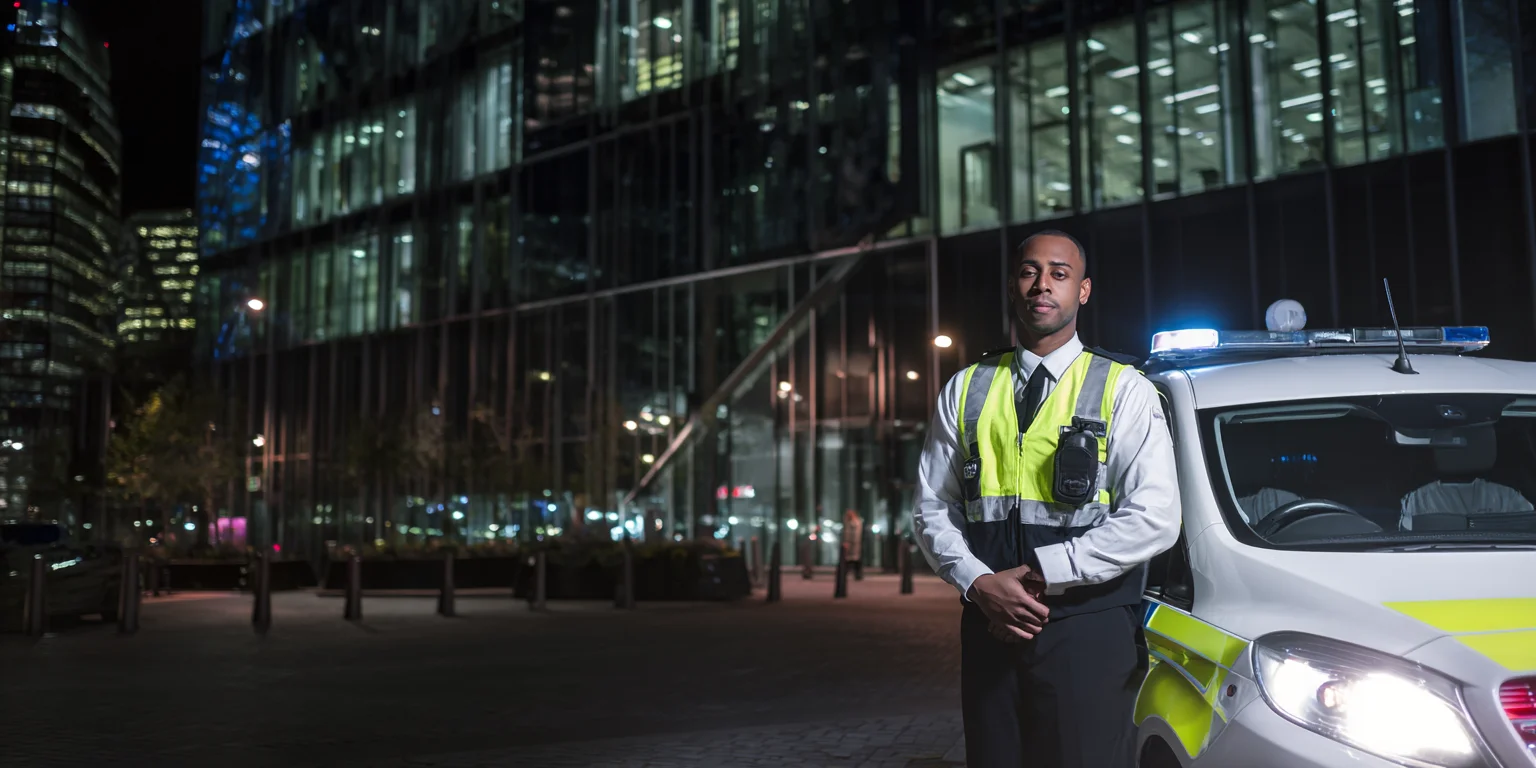

London security services play a vital role in maintaining public safety across offices, events, and venues. However, a common question among customers and business owners is whether security guards in London are officially part of law enforcement.
While London security guards are highly trained, licensed, and professional, they are not members of the police or any government law enforcement agency. Instead, they operate as private professionals under the Security Industry Authority (SIA), providing protection, monitoring, and prevention services across private and public spaces.
Understanding the distinction between private security and law enforcement is crucial for business owners hiring guards and for customers who rely on them for safety.
The Role of Security Guards in London
The city of London hosts one of the most diverse and active security sectors in the UK. From luxury hotels and corporate towers to bustling retail districts and late-night venues, security guards ensure that people, property, and assets remain protected.
Security guards are often the first line of defence. They handle access control, customer safety, emergency procedures, and conflict resolution long before police involvement becomes necessary.
However, their authority is limited to what any citizen can legally do, complemented by their professional training and company procedures.
The Difference Between Security Guards and Police Officers
While both roles aim to keep people safe, there are clear differences between security guards and law enforcement officers in the UK:
- Employment Type: Security guards work for private companies or clients, not for the government or police forces.
- Legal Powers: Guards do not possess police powers such as arrest under warrant, carrying weapons, or conducting searches beyond specific circumstances.
- Focus Area: Police maintain public order and enforce the law across society, while private security focuses on protecting specific premises, assets, or individuals.
- Training and Licensing: Security professionals must hold a valid SIA licence, demonstrating training in conflict management, customer service, and legal awareness.
Understanding this difference helps set realistic expectations about what security personnel can and cannot do.
Legal Powers of Security Guards in London
In the UK, private security guards operate under the same legal framework as any citizen, with some professional boundaries reinforced by SIA guidelines. They do not have police authority, but they can:
- Conduct a citizen’s arrest under the Criminal Law Act 1967, if they witness someone committing an indictable offence (such as theft or assault).
- Detain a suspect only until police arrive, provided it is done reasonably and without unnecessary force.
- Protect property and people under the laws of trespass and duty of care.
- Refuse entry or remove individuals from private property, using only reasonable force if necessary.
While they cannot investigate crimes or issue penalties, SIA-licensed guards play an important preventative role by ensuring incidents do not escalate to police involvement.
Why London Businesses Rely on Private Security
Security guards may not be law enforcement, but in many London environments, they act as the essential bridge between businesses and public authorities. Their presence helps reduce police call-outs, prevent incidents, and provide quick responses during emergencies.
London businesses hire private security guards for several reasons:
- Visible Deterrent: A uniformed guard prevents potential criminal activity simply through presence.
- Immediate Response: Guards can act faster than police in controlled areas, ensuring safety before an incident spreads.
- Specialised Knowledge: Many guards are trained in first aid, crowd management, and emergency evacuation — vital skills for events and venues.
- Local Understanding: Guards familiar with London’s boroughs, from Westminster to Hackney, know local regulations and risk factors.
Private security services complement public policing by extending protection into areas that law enforcement cannot continuously monitor.
How the SIA Regulates the London Security Industry
The Security Industry Authority (SIA) regulates private security across the UK. Its licensing system ensures all guards meet standards in:
- Legal responsibilities
- Communication and customer interaction
- Conflict management
- Physical intervention (where necessary)
SIA regulation helps maintain public confidence that guards are trained, accountable, and professional. London’s most reputable companies, such as Imperial Security, employ only SIA-licensed staff to ensure quality and compliance.

Cooperation Between Security Guards and Police
Although security guards are not law enforcement, collaboration with the police is a key part of their duties.
Guards often assist by:
- Reporting incidents or suspicious activity promptly
- Providing CCTV footage or eyewitness accounts
- Supporting police during events or investigations
- Helping to control access and crowd flow during emergencies
In large London events such as marathons, festivals, and sports matches, security guards and police often work side by side under coordinated safety plans. This cooperation ensures smooth crowd management and rapid response when needed.
Public Perception and Professionalism
Customers in London often see uniformed security guards and assume they are part of official law enforcement. This perception highlights how effective uniforms, posture, and communication are in conveying authority and reassurance.
While they do not carry police powers, guards project professionalism through visible presence, calm demeanour, and consistent customer service. Their uniformed appearance serves as both a deterrent and a comfort to customers in busy environments such as shopping centres, hotels, and entertainment districts.
Ethical Standards and Accountability
Professional security companies in London operate under strict ethical codes. Guards are expected to maintain confidentiality, neutrality, and fairness. Breaching these standards can lead to licence suspension or revocation.
The Private Security Industry Act 2001 provides a legal framework ensuring accountability. Employers also conduct background checks and ongoing training to maintain integrity and performance standards.
The Value of Private Security in London
Although not part of law enforcement, the contribution of private security to London’s safety is enormous. With thousands of venues and millions of daily commuters, public resources alone cannot cover every need.
Private security guards fill that gap by protecting:
- Commercial offices and retail premises
- Construction sites and warehouses
- Residential complexes and gated communities
- Bars, nightclubs, and event spaces
- Transport hubs and car parks
Their presence supports a sense of safety and allows police to focus on serious crimes and investigations.
Why the Distinction Matters for Business Owners
For business owners, understanding that security guards are not law enforcement helps define expectations and responsibilities. Guards cannot perform arrests beyond citizen’s powers or conduct legal investigations.
However, their preventive and protective functions are critical. By partnering with a trusted London security company, businesses can ensure professional coverage while maintaining compliance with SIA and local regulations.
Building Customer Trust Through Professional Security
Customers in London expect visible, reliable, and respectful security personnel. The professionalism of a uniformed guard communicates safety, order, and confidence.
When a customer walks into a venue and sees a trained, licensed guard, they immediately feel reassured that their safety is taken seriously. This builds reputation and trust — two values essential to every London business.
Conclusion
Security guards in London are not law enforcement officers, but they remain essential to the city’s safety network. They act as the first line of defence, supporting businesses, customers, and authorities by preventing issues before they become crimes.
Their professionalism, training, and local expertise make them indispensable to London’s security infrastructure. While their powers are limited to those of ordinary citizens, their impact is far greater due to their vigilance and skill.
For comprehensive, SIA-compliant, and professional protection, partnering with an experienced London security company ensures safety, trust, and compliance across your premises. Whether for door supervision, event security, or corporate protection, private security is the smart, proactive choice for today’s London businesses.