


Planning a successful event in the UK involves juggling many moving parts: venues, catering, marketing, logistics, and entertainment. Yet one of the most critical elements, and one of the most frequently left too late, is event security. Whether you are organising a corporate conference in Birmingham, a summer music festival in Somerset, or a product launch in central London, getting your security arrangements in place early is not simply good practice. In the current climate, it is essential.
So how far in advance should you book event security?
The short answer is: sooner than you think. The longer answer depends on the size and complexity of your event, the time of year, and the regulatory landscape you are operating within. This guide walks you through the recommended timelines, the key considerations, and why early event security planning pays dividends.
Why Booking Early Matters More Than Ever
The Risk of Leaving It Late
Given this regulatory backdrop, finding a top event security company, one that is properly accredited, experienced, and available, takes time. Quality security companies are in demand, and the best operators fill their calendars quickly, particularly during peak seasons. If you leave your booking until the last minute, you are not just risking operational chaos; you may find yourself legally non-compliant before your event even begins.
The Recommended Timelines: A Practical Breakdown
Large-Scale Events: Three to Six Months Minimum
For larger events, you should begin engaging with event security companies at least three to six months before the event date. This allows sufficient time for site visits, thorough planning, staffing, and any necessary engagement with local authorities.
Events in this category include outdoor events such as music festivals, large sporting occasions, trade exhibitions, national conferences, and corporate gatherings of several hundred or more attendees. At this scale, security is not simply a matter of placing a security guard on a door.

A truly professional approach involves a comprehensive security plan, a thorough risk assessment, coordination with local authorities and emergency services, crowd management strategies, access control planning, and counter-terrorism considerations. None of this can be rushed.
What Early Engagement Achieves
When you engage a security company three to six months out, you are giving both parties enough time to do the job properly. The security team can conduct site visits, identify entry points and exit routes, map restricted areas, and begin coordinating with your venue and local authorities. If your event is in a city or well-known event venue, early engagement also gives you the best chance of securing the most experienced and reputable providers before they commit to other clients.

Smaller and Private Events: Eight to Twelve Weeks Before
For smaller events, eight to twelve weeks is generally sufficient, though peak periods, particularly summer festival season, may require earlier booking.
A small private event such as a corporate dinner, a private party, a charity fundraiser, or a community gathering with a few hundred guests will require fewer security personnel and less complex planning. However, smaller does not mean less important. A risk assessment is still required, staff need to be briefed, and SIA licensing compliance must still be observed.
Accounting for Peak Season Demand
If your event falls between May and September, the UK's peak event season, add at least two to four weeks to these timelines as a buffer. The summer months see high demand for trained security personnel across the entire country, and reputable providers can be fully committed well in advance. The same applies to bank holiday weekends, the Christmas party season in November and December, and major sporting or cultural events that draw on the same pool of experienced security personnel.
Building Security Into Your Event Planning Timeline
Just as you would book a venue before confirming your catering or entertainment, security should be treated as a foundational element of your planning timeline, not an afterthought. Thinking about your security needs in parallel with other planning phases makes the whole process far more manageable.
Twelve Months or More Before the Event
For national conferences, large outdoor events, or high-profile ticketed events expecting 800 or more attendees, begin researching professional security services at this stage. Make initial enquiries, request credentials, and start conversations. Under Martyn's Law, premises and events where it is reasonable to expect more than 800 individuals will be required to notify the Security Industry Authority and have in place appropriate measures to reduce vulnerability to terrorist attacks and the risk of physical harm. Beginning your security planning early ensures you are not scrambling to meet these obligations as your event date approaches.
Six to Nine Months Before the Event
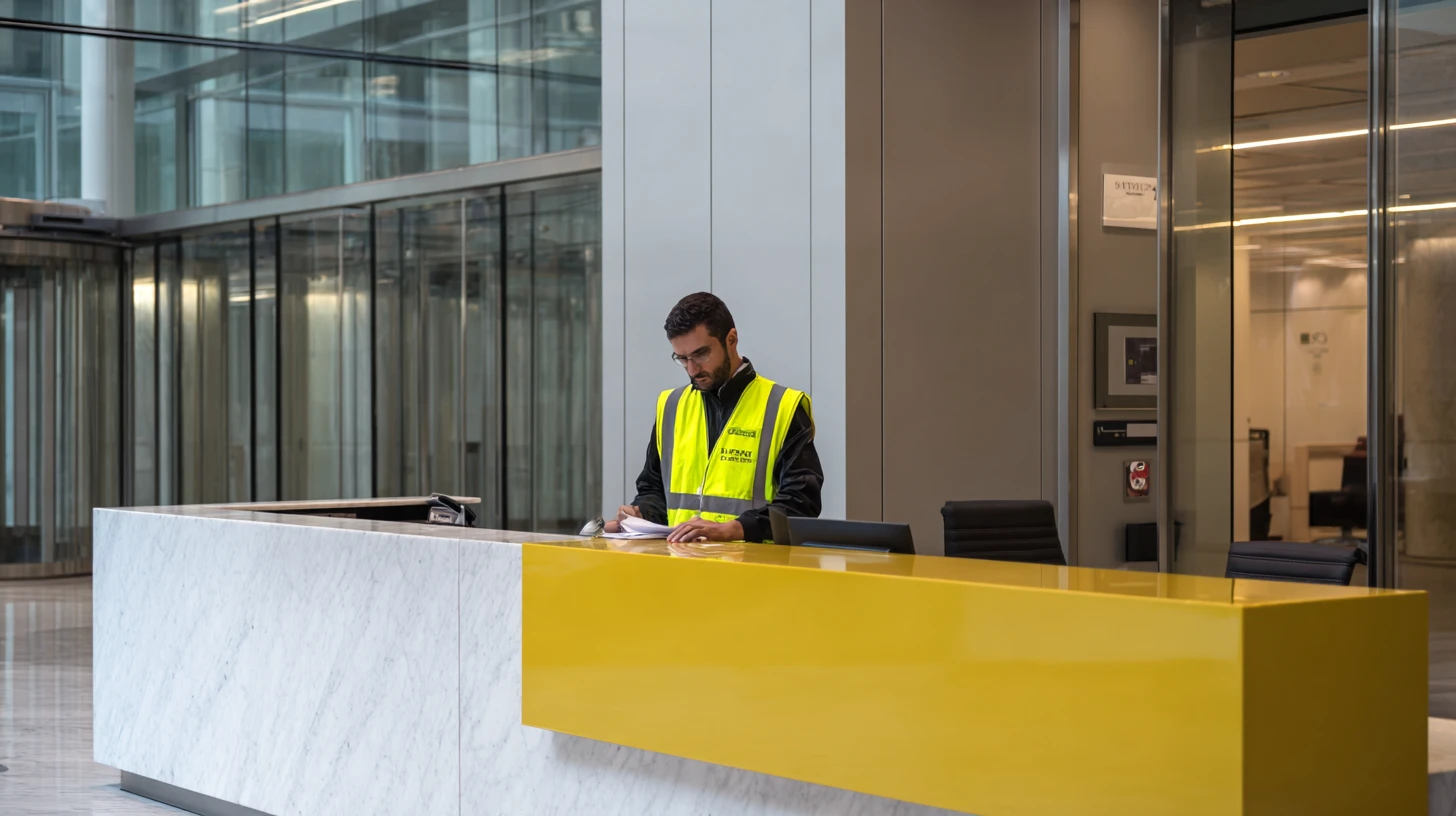
Shortlist security companies at this stage and begin to conduct a thorough risk assessment of your specific event requirements. Always ask event security companies for their SIA Approved Contractor Scheme (ACS) accreditation, as this is the industry-recognised quality standard for security providers in the UK. ACS-approved companies have been independently assessed against a rigorous set of quality standards covering staff vetting, training, supervision, and operational procedures.
Confirm that the company you are considering has relevant experience with events similar to yours in type, scale, and complexity. Ensure they hold adequate public liability insurance, as this is a non-negotiable safeguard for any event organiser. A provider that has managed security for large outdoor events will bring a different level of insight compared to one whose experience is primarily corporate or indoor.

Three to Six Months Before the Event
By this point, your security company should be contracted and actively involved in planning. This is the stage for formal site visits and the creation of a detailed, comprehensive security plan. Your security team should be reviewing the event venue layout, identifying entry points and restricted areas, planning crowd flow and evacuation routes, and scoping the number of SIA-licensed door supervisors, CCTV operators, and any close protection officers required.
This is also the time to open formal communications with local authorities, the licensing authorities, and any other relevant bodies. For high-risk events or those with complex crowd management demands, involving emergency services in your planning conversations at this stage is strongly advisable.
One to Three Months Before the Event
Security staffing is confirmed, shift patterns are agreed, and emergency procedures are in place. Briefing documents are prepared and any counter-terrorism training, such as the Action Counters Terrorism programme developed by the National Counter Terrorism Security Office, should be completed by relevant staff. Technology, including CCTV systems and communications equipment, should be tested thoroughly. Any coordination with first aid teams must be finalised so that the security team and medical emergency response integrate seamlessly on the day.
In the Final Weeks
A full walkthrough of the event venue with your trained security personnel should take place before the event begins. Staff should receive final briefings covering emergency preparedness, communication protocols, ind20nagement, crowd control measures, and the handling of prohibited items. A detailed operational schedule for event-day security should be distributed to all relevant stakeholders, including any third-party providers who form part of your overall safety structure.
Key Factors That Affect How Early You Should Book

Event Size and Complexity
The more attendees you expect, the more planning, staffing, and coordination is required. Larger events may also require specific permissions from the local authority or police, which themselves take time to process. Understanding how many security guards you will need across different key areas of your event, from entry points to backstage zones, requires proper consultation rather than guesswork.

Location and Event Venue
A London corporate event or large corporate conference will often require earlier booking than one in a smaller regional town, simply due to the volume of competing events and the higher baseline demand for quality security services in the capital. Equally, rural outdoor events with complex logistics may need more lead time for staffing. The nature of your event venue, whether it is an indoor arena, an open-air site, or a temporary structure, will also shape the security needs and planning requirements significantly.

Licensing and Legal Compliance
For the purposes of SIA licensing, security staff deployed in relation to a licensable area will require Door Supervisor licences at times when the premises are open to the public and alcohol is available for consumption or regulated entertainment is taking place. Understanding which areas of your event are licensable is essential and needs to be established early in your planning process. Failure to ensure legal compliance in this area can put your event licence at risk.

Event Type and Potential Threats
The event type has a significant bearing on your security requirements. High-profile corporate events, those with a significant public presence, or those with specific security sensitivities, such as events attended by public figures needing close protection or large crowds gathering in open public spaces, carry a different profile of potential threats and will require additional planning time and specialist capability.

Time of Year and Seasonal Pressures
As already noted, the summer festival season and the Christmas corporate events period place significant strain on available trained professionals across the industry. Booking event security services during these windows requires earlier lead times, and event organisers who factor this into their planning are far better placed than those who do not.
The True Cost of Leaving It Too Late
Operational and Compliance Risks
Leaving event security until the last minute creates a cascade of problems. You may be left with fewer options, meaning you accept whichever security company is available rather than the one best suited to your event. You sacrifice the time needed for meaningful site visits and pre-event planning. You risk being unable to secure sufficient SIA-licensed staff, which can lead to compliance issues with your event licence and expose you to serious legal liability.
Safety Consequences
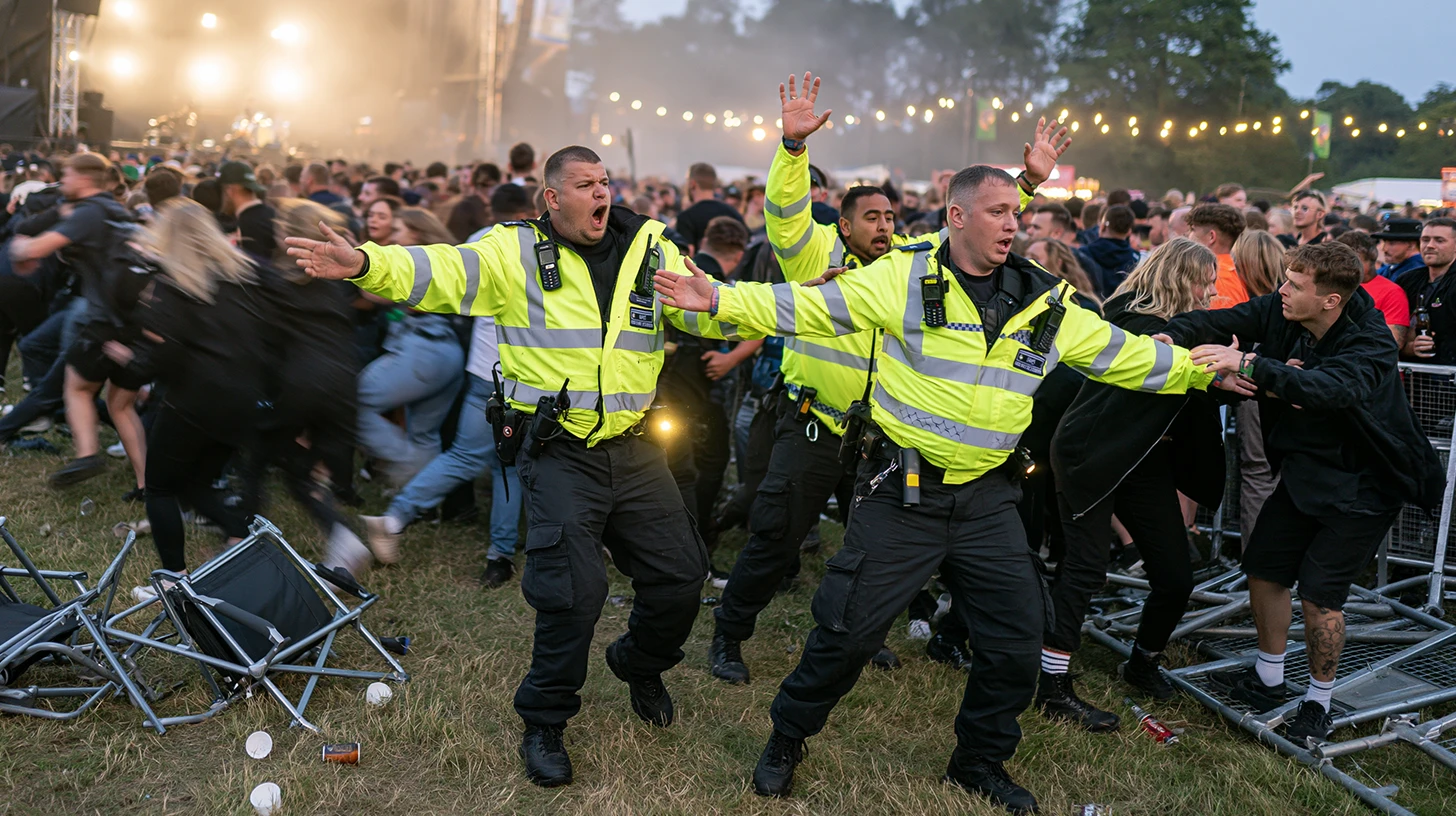
In the most serious circumstances, an under-prepared security presence can leave your event exposed to the kind of incidents, from crowd management failures and medical emergencies to unauthorised access and, in extreme cases, security threats, that a well-briefed, experienced security team could have managed effectively. Professional security services are fundamentally about preparation and anticipating potential risks before they become real ones.
The Value of Proactive Planning
A great security team is proactive, not reactive. That mindset must begin in the planning room, weeks and months before your event date. The more time you give your security partner to understand your specific event, your venue, your guest list, and your potential risks, the better placed they are to keep everyone safe and ensure future events benefit from lessons learned.
Conclusion
There is no single answer that fits every event, but the general principle is clear: book your event security earlier than you think you need to, and treat it as a core planning priority from the outset. For large events and high-risk events, six months is a sensible minimum. For smaller or private events, aim for eight to twelve weeks while accounting for any seasonal pressures.
With Martyn's Law on the horizon, event organisers across the UK also need to be building professional, documented security planning into everything they run, not as a box-ticking exercise, but as a genuine commitment to the safety of every person who walks through the door.
Start your planning early
Select the right event security company with verified SIA accreditation, and give your security team the time they need to deliver professional event security services with confidence. Your attendees, your reputation, and your peace of mind will all be better for it.