


The United Kingdom is one of the world's most active filmmaking destinations. From the cobbled streets of London's East End to the sweeping moorlands of Scotland, British locations draw major Hollywood studios, independent producers, and television broadcasters alike. With that activity comes real and complex security responsibility with film set security services. Protecting people, equipment, intellectual property, and the public is not an optional extra it is a legal and professional obligation that sits at the heart of every successful UK production.
Why Location Security Matters for UK Productions
Filming on location is fundamentally different from working inside a controlled studio environment. The moment a production moves outside, it enters a world of variables: curious bystanders, traffic, local residents, opportunistic theft, and unpredictable weather. Any one of these can delay a shoot, put people at risk, or compromise confidential material that represents millions of pounds of investment.
The Legal Framework Every Production Must Understand
Beyond the practical risks, UK productions are bound by a specific legal framework. The Health and Safety at Work Act 1974 places a duty of care on employers to protect staff, contractors, and members of the public. The Health and Safety Executive publishes dedicated guidance for the film and television industry covering everything from vehicle-mounted cameras to stunts and hazardous activities. Failure to comply is not merely a professional embarrassment it can result in prosecution, hefty fines, and, most seriously, serious injury or loss of life.

SIA Licensing: A Non-Negotiable Requirement
All security personnel working on a UK film set must hold a valid licence issued by the Security Industry Authority. Under the Private Security Industry Act 2001, manned guarding, close protection, and cash-in-transit activities all require an SIA licence.
Productions must verify that every officer deployed carries a current, individually numbered badge, which can be checked directly on the SIA website. Hiring unlicensed security is not only unlawful it exposes the production company to significant security risks and substantial legal liability.
Coordinating with the Authorities
One of the most important steps any UK production can take before filming on a public location is informing and coordinating with the relevant local authorities. In London, this means engaging with the Metropolitan Police Service Film Unit, which acts as the single point of contact for all filming requests requiring police assistance across the capital's 32 boroughs.

When Police Notification Is Required
Productions must notify the Metropolitan Police Service Film Unit well in advance if they plan to film with weapons or replica firearms, stage scenes of crime or violence, use actors dressed in police uniform, involve tracking vehicles, or work with stunts and special effects.
For scenes involving firearms specifically, a dedicated FILMWEAPON Computer-Aided Dispatch reference is issued, alerting local officers and armed response units so they are not caught off guard. Outside London, productions should liaise directly with their local police service and the relevant Film Office.
Working Within the Code of Practice
Beyond the police, the Filming in England Code of Practice requires that the appropriate local authority be notified about any filming on public land, roads, or public buildings. This applies to traffic diversions, parking arrangements, and crowd management plans. Location management is a critical part of this process, and ignoring these requirements not only risks disrupting local communities but can result in a shoot being shut down entirely.
| Relevant Authority | Key Consideration | Risk Level |
|---|---|---|
| Health and Safety at Work Act 1974 / HSE | Employers must protect staff, contractors, and the public. Non-compliance risks prosecution, fines, and serious injury | 🔴 High |
| Private Security Industry Act 2001 / SIA | All security personnel must hold a valid SIA licence. Hiring unlicensed guards is unlawful and creates legal liability | 🔴 High |
| Metropolitan Police Service Film Unit / Local Police | Notify police before filming with weapons, uniforms, stunts, or violent scenes. A FILMWEAPON CAD reference must be issued to alert armed response units | 🔴 High |
| Filming in England Code of Practice / Local Authorities | Notify local authorities for filming on public land or roads. Use hi-vis clothing, signage, and advance leafleting to prevent shutdowns | 🟡 Medium |
| HSE / Internal Production Policy | Staff all access points and log authorised personnel. Use CCTV, barriers, and crowd stewards to separate the public from hazardous activity | 🟡 Medium |
| SIA (Close Protection Licence) | High-profile individuals require SIA-licensed Close Protection Officers to manage threats, conduct risk assessments, and deter harassment | 🔴 High |
| Internal Production Policy / Local Police | Deter paparazzi trespass through dedicated media liaison personnel coordinating with local authorities | 🟡 Medium |
| Internal Production Policy / Insurance Requirements | Valuable equipment requires 24-hour guarding, access-controlled storage, logged chain of custody, and overnight patrols | 🔴 High |
| Non-Disclosure Agreements / UK GDPR | Require NDAs, restrict personal devices, and secure all networks and digital files with encryption and access controls | 🔴 High |
| HSE / Emergency Services / Legal Counsel | Maintain a documented plan covering emergencies, breaches, and stunts with drilled roles, clear protocols, and pre-arranged legal counsel | 🔴 High |
| Security Industry Authority (ACS) | Prioritise SIA Approved Contractor Scheme accreditation and verified film industry experience over cost | 🟢 Low |
Building Your On-Set Security Team
Regardless of production size, every film or television shoot needs a clearly defined security structure. On smaller productions this may be a handful of internal personnel with specific, documented responsibilities. On larger or long-running shoots, it should be a dedicated professional security team with direct experience in the film and television sector.
Defining Roles and Responsibilities
The security team's responsibilities are broad. They include maintaining perimeter security to prevent unauthorised access, monitoring crowds and managing public flow near filming areas, protecting valuable assets from theft or vandalism, enforcing confidentiality agreements, and coordinating the response to any emergency. Every member of the team should have a clearly assigned role, with overlapping lines of communication so that no individual is ever left without support or backup.

Perimeter and Access Control
Controlling who enters a film set is one of the most fundamental security measures available to any production. At its simplest, this means having security personnel positioned at every access point to check credentials and log people in and out. On larger productions, access control systems can automate this process, creating an auditable record of movements throughout the day.

Why Access Control Protects Everyone on Set
Restricting access to only authorised personnel serves multiple purposes. It keeps the public at a safe distance from potentially hazardous activity camera rigs, lighting equipment, stunt setups, or vehicles on the move.
It also prevents leaks of sensitive information, protects against equipment theft, and limits the risk of an aggressive or intrusive individual disrupting cast and crew. Accessing restricted areas without authorisation must be treated as a serious matter, and security professionals should be empowered to act decisively when it occurs.

Layered Perimeter Protection
Perimeter security should operate in layers. CCTV and wider security systems monitoring key access points provide real-time visibility and a recorded evidence trail. Physical barriers such as fencing, crowd barriers, or vehicles can create clear delineation between the public and the working set.
On shoots in densely populated areas a London street, a busy town centre, or a commuter hub additional crowd control stewards may be needed to manage public expectations and maintain safe pedestrian flow.

Signage, Leafleting, and Public Communication
The Filming in England Code of Practice recommends that when filming involves any activity that could be mistaken by the public for a genuine incident a fight scene, a simulated arrest, or a high-speed chase film crews should wear high-visibility clothing and clear signage should be displayed around the filming location.
Neighbouring residents should be leafleted in advance. These seemingly simple steps dramatically reduce the likelihood of a panicked emergency call and an unwanted police response that halts the smooth operation of your shoot.
VIP and Talent Protection
High-profile actors, directors, and other celebrities are regularly present on UK film and television sets, and their safety requires specific attention. High-profile individuals filming in public locations are vulnerable to harassment from members of the public and the press, and in some cases to more serious potential threats including stalking or physical harm.
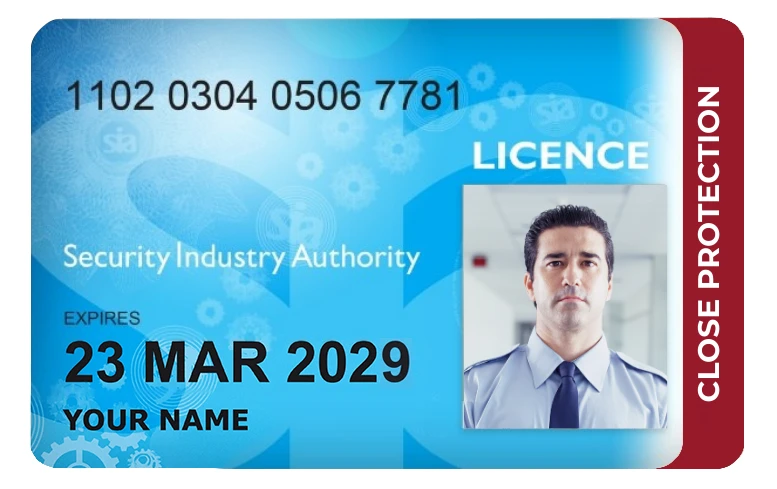
The Role of Close Protection Officers
Close Protection Officers provide a personal, mobile security presence for talent and VIPs throughout the production. SIA-licensed security professionals working in the film and television industry are trained to identify threats early.
They manage the space around a client, liaise with other security teams and production staff, and respond to emergencies calmly and effectively. Their presence is not merely reactive a good Close Protection Officer carries out thorough risk assessments of locations before the client arrives, identifies vulnerabilities, and builds a proactive plan.
Managing Media Intrusion
Managing media intrusion, particularly from paparazzi is a recurring challenge on UK location shoots. Deterring criminal activities such as trespass and harassment, while coordinating with local authorities and deploying dedicated media liaison personnel, can help productions maintain a private, distraction-free environment and prevent premature leaks of visual material that could undermine the commercial impact of a release.
Protecting Equipment and Intellectual Property
Modern film productions carry extraordinary value in physical equipment. Camera systms, lighting rigs, lenses, generators, and production vehicles represent an enormous financial investment. On overnight shoots or weekend breaks in filming, this expensive equipment may be left at a unit base or staging area with reduced staffing, making it a target for opportunistic or organised theft.

Asset Protection and Chain of Custody
Effective asset protection combines physical security including 24-hour guarding of unit bases, access-controlled storage, and overnight patrols with strong chain-of-custody procedures. Every item of significant value should be logged in and out, and any discrepancy investigated immediately. CCTV monitoring of equipment areas adds an additional deterrent and evidential layer, helping to mitigate risks before they escalate into costly losses.

Guarding Against Information Leaks
Intellectual property is equally valuable and equally vulnerable. In the age of social media, a single photograph of a script page or a behind-the-scenes video posted online can destroy months of carefully managed marketing strategy. Productions should require all cast, crew, and visitors to sign non-disclosure agreements before setting foot on set. Security personnel should be empowered to prevent unauthorised recording, monitor for hidden devices, and restrict personal electronic device use in sensitive areas.
Digital and Cyber Security on Location
Digital security extends beyond the set itself.
- Secure all production Wi-Fi networks
- Restrict network access to essential personnel
- Keep firewall protection up to date
- A weak password can be as damaging as a physical theft
- Encrypt all digital files
- Use strong, unique passwords
- Treat digital and physical security equally
- Robust access controls to scripts, rushes, and schedules
Emergency Response and Crisis Planning
The best security plan is one that anticipates what could go wrong. Every UK production should have a documented emergency response plan covering a range of scenarios: medical emergencies, fire, an aggressive member of the public, a security breach, or a serious accident during a stunt or hazardous activity.

Training, Drills, and Communication Protocols
Security teams should train and rehearse their response to potential risks rather than encountering them for the first time under pressure. Clear communication protocols specifying who contacts the emergency services, who secures the perimeter, who manages the cast, and who communicates with the production team save critical time when seconds matter. In serious incidents, swift and effective coordination with the police, medical teams, or fire brigade can be the difference between a contained incident and a disaster that halts the entire production.

Planning for the Unexpected
Crisis preparedness should also cover reputational and legal exposure. Productions should know in advance what steps to take in the event of a footage leak, a data breach, or an accusation of negligence including who to notify, what legal counsel is available, and how communications should be managed. Unexpected situations will arise on any shoot; having a clear, rehearsed plan transforms potential chaos into a controlled, coordinated response.
Choosing the Right Security Partner
For UK productions, selecting the right security services provider is not simply a matter of finding the cheapest option. Experience in the film and television industry matters enormously. A provider who understands the rhythm of a shoot, the dynamics of a production crew, and the specific legal requirements of filming across England, Scotland, Wales, or Northern Ireland will deliver a fundamentally better result than a generic company unfamiliar with the environment.
What to Look for in a Provider
Look for SIA Approved Contractor Scheme accreditation, which indicates that a security company has been independently assessed against a recognised standard of quality. Check references from other high-profile productions. Ask specifically about experience with location security, close protection, crowd control, and equipment protection. Request evidence of how they approach risk assessments and how they coordinate with local authorities and emergency services.
Security as an Enabler of Great Production
The right security partner will not merely protect your production they will enable it. By creating a safe and secure environment where cast and crew can focus entirely on their work, professional security personnel deliver something that goes beyond physical safety. They provide peace of mind the assurance that every person on set, every piece of valuable equipment, and every frame of footage is being looked after by trained, experienced, and licensed professionals who understand exactly what is at stake.
Production security in the United Kingdom is a complex, regulated, and critically important discipline. Whether you are shooting a major studio feature across central London or a television drama in a rural location, investing properly in professional, SIA-licensed security is not just good practice it is the foundation on which every successful shoot is built.